Nova Scotia Opposition Calls for Longer Legislative Sitting
In a significant political challenge, opposition parties in Nova Scotia are demanding that Premier Tim Houston's Progressive Conservative government extend the upcoming spring session of the legislature beyond its currently scheduled eight days. The call comes amid growing concerns that the abbreviated session will not allow adequate time for thorough debate on critical provincial issues, budgetary matters, and government accountability.
Criticism of Shortened Legislative Calendar
The opposition has sharply criticized the planned eight-day sitting, arguing it represents one of the shortest spring sessions in recent memory and severely limits opportunities for democratic oversight. "A mere eight days is insufficient for the robust discussion and scrutiny that Nova Scotians deserve," stated a spokesperson for the opposition. They emphasized that key legislation, public inquiries, and budget deliberations require more extensive parliamentary time to ensure proper examination and transparency.
This challenge highlights ongoing tensions in Nova Scotia's political landscape, where the government's legislative agenda has faced increasing scrutiny. The opposition contends that extending the session is essential for addressing pressing matters such as healthcare, education, and economic policies that impact residents across the province.

Government's Position and Historical Context
Premier Tim Houston's government has defended the scheduled session length, citing efficiency and a focused legislative approach. However, historical data shows that typical spring sessions in Nova Scotia have often spanned several weeks, allowing for more comprehensive lawmaking processes. The current eight-day plan marks a notable reduction, raising questions about the government's priorities and commitment to parliamentary democracy.
The debate over session length is not merely procedural; it reflects deeper disagreements about governance and public engagement. Opposition members argue that a longer sitting would facilitate greater public input and ensure that legislation is thoroughly vetted before enactment.
Implications for Provincial Governance
If the government does not accede to the opposition's demands, it could lead to increased political friction and potential delays in passing important bills. The situation also underscores the broader role of legislative bodies in holding executives accountable, a fundamental aspect of democratic systems.
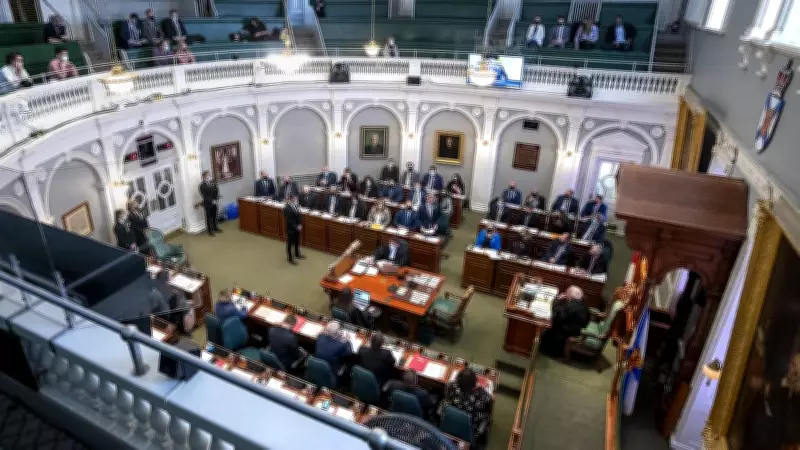
As the spring session approaches, all eyes will be on Province House in Halifax to see whether the government will extend the sitting or proceed with the shortened schedule. The outcome will likely influence public perception of the Houston administration's responsiveness to opposition concerns and its dedication to transparent governance.
This development occurs against a backdrop of other national and international news, but in Nova Scotia, the focus remains squarely on the functioning of its provincial legislature and the democratic principles it upholds.