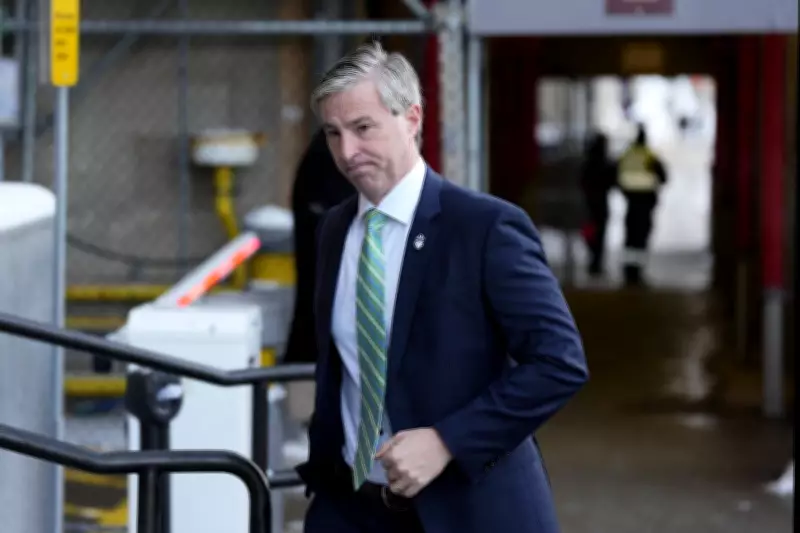
Nova Scotia Premier Declines to Waive Confidentiality for Former Minister
Nova Scotia Premier Tim Houston has firmly stated that he will not waive confidentiality to enable a former minister to speak about ongoing police investigations. This decision, announced on February 28, 2026, underscores the premier's commitment to maintaining legal protocols and protecting sensitive information related to law enforcement probes.
Background and Implications
The refusal comes amid calls for greater transparency in government dealings, particularly concerning former officials involved in police matters. By upholding confidentiality, Premier Houston aims to ensure that investigations proceed without interference, safeguarding the integrity of the judicial process. This move has sparked debate among political observers and the public regarding the balance between accountability and legal constraints.
Legal and Political Context

In Canadian politics, confidentiality agreements are often used to shield discussions and documents from public disclosure, especially in sensitive cases. Premier Houston's stance reflects a broader trend of cautious governance, where leaders prioritize legal compliance over immediate public scrutiny. Critics argue that this could hinder transparency, while supporters contend it prevents potential misuse of information.
Reactions and Future Outlook
The decision has elicited mixed reactions from various stakeholders, including opposition parties and advocacy groups. Some view it as a necessary step to protect ongoing investigations, while others see it as an obstacle to accountability. As the situation unfolds, it may influence future policies on government transparency and the handling of police probes involving former officials.
This development highlights the ongoing challenges in balancing legal confidentiality with public demand for openness in governmental affairs.