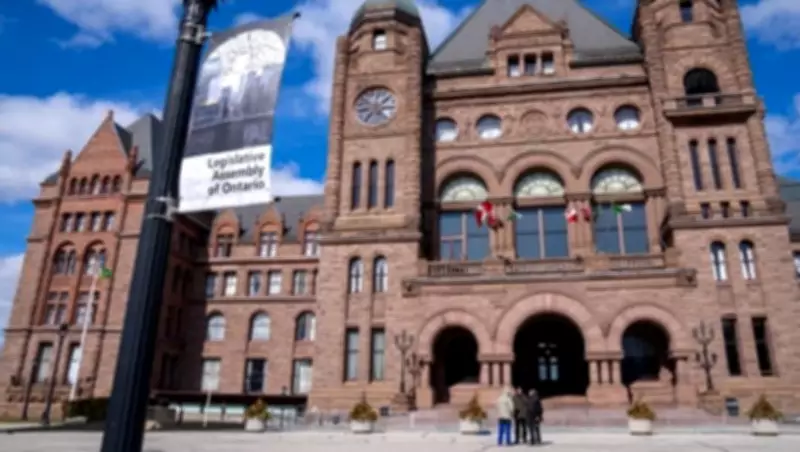
The Ontario government has unveiled a proposal to restructure the governance framework in the Niagara region, a move that would increase the number of appointed regional chairs while simultaneously cutting the total count of elected councillors. This initiative, announced by provincial officials, seeks to streamline decision-making processes and enhance administrative efficiency across the area.
Details of the Proposed Changes
Under the new plan, the province intends to expand the roster of regional chairs, who are typically appointed to oversee broader regional matters, rather than being directly elected by the public. Concurrently, the number of councillors representing local wards within Niagara would be reduced, potentially consolidating representation and altering the political landscape.
Rationale Behind the Restructuring
Proponents of the proposal argue that increasing regional chairs could lead to more focused leadership on issues such as infrastructure, economic development, and regional planning. By having additional chairs, the government believes it can better address complex challenges that span multiple municipalities within Niagara.

On the other hand, reducing the number of councillors is seen as a cost-saving measure and a way to simplify governance structures. Critics, however, express concerns that this reduction might dilute local representation and make it harder for residents to have their voices heard on community-specific matters.
Potential Impacts on Local Governance
The proposed changes could significantly impact how decisions are made in Niagara. With fewer councillors, each remaining representative might have to cover larger geographic areas or more diverse constituencies, potentially increasing their workload and altering the dynamics of council debates.
Moreover, the shift towards more appointed regional chairs raises questions about accountability and democratic oversight. While appointed positions can bring specialized expertise, they may also be perceived as less responsive to public input compared to elected officials.
Broader Context and Reactions
This proposal is part of a broader trend in Ontario where the provincial government has occasionally intervened in municipal governance structures to promote efficiency and alignment with provincial priorities. Similar restructuring efforts have been seen in other regions, often sparking debates about local autonomy versus centralized control.
Initial reactions from stakeholders in Niagara have been mixed. Some local leaders welcome the potential for more streamlined operations, while others worry about the loss of grassroots representation. Public consultations and further discussions are expected as the proposal moves through the legislative process.
As the situation develops, residents and officials alike will be closely monitoring how these changes might affect service delivery, community engagement, and the overall governance of the Niagara region in the coming years.