Quebec's political opposition is setting clear expectations for Premier François Legault as he prepares for an official trip to Germany. Parties across the aisle are urging the CAQ government leader to return with concrete agreements and measurable benefits for the province, moving beyond symbolic diplomacy.
Call for Tangible Outcomes
With the journey scheduled for the coming weeks, critics argue that international visits by provincial leaders must yield more than photo opportunities and general declarations of friendship. Frédéric Beauchemin, the Quebec Liberal Party's finance critic, emphasized the need for results that directly impact Quebec's economy and strategic interests. The opposition's stance reflects a growing impatience with what some perceive as a lack of clear deliverables from previous foreign missions.
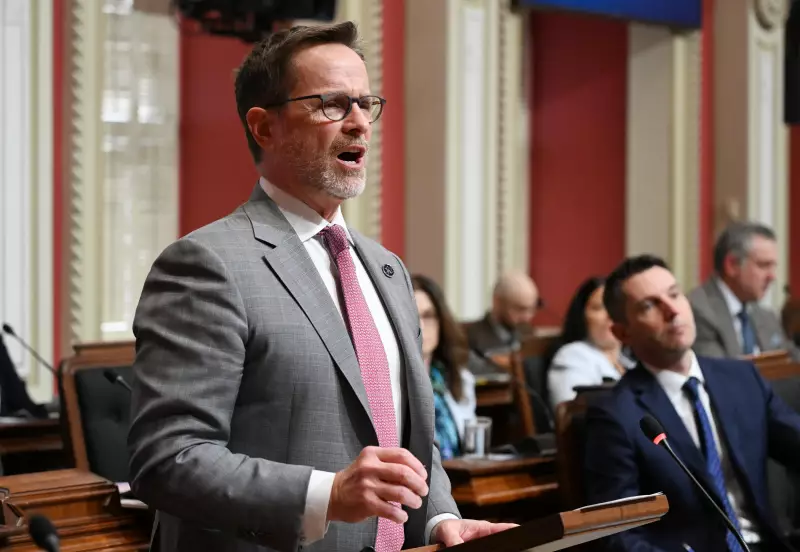
Beauchemin, who recently reacted to the provincial budget in Quebec City on Tuesday, March 25, 2025, suggested that the premier's itinerary should focus on securing partnerships in key sectors such as green technology, advanced manufacturing, and sustainable energy. Germany, as a European economic powerhouse with shared industrial and environmental goals, presents a significant opportunity for Quebec.

Strategic Importance of the Mission
The trip occurs at a critical juncture for Quebec's economy. Opposition members are keenly aware that international trade and investment are vital for the province's post-pandemic recovery and long-term growth. They expect Legault to leverage Quebec's strengths in areas like hydroelectric power and artificial intelligence to forge deals that create jobs and stimulate innovation back home.
Furthermore, with global supply chains evolving and competition for talent intensifying, the mission is seen as a test of the government's ability to position Quebec favorably on the world stage. The opposition has signaled it will closely monitor the announcements—or lack thereof—following the premier's return.
Accountability and Public Scrutiny
The demand for concrete outcomes underscores a broader theme of accountability in provincial governance. Opposition parties plan to use legislative tools, including question period and committee reviews, to assess the success of the Germany trip. They argue that taxpayer-funded travel must be justified by clear, reported benefits.
As Premier Legault finalizes his delegation and meeting agenda, the pressure is on to demonstrate that this diplomatic effort will translate into real-world advantages for Quebec businesses, workers, and communities. The political narrative upon his return will likely hinge on the substance of the agreements signed, rather than the ceremonial aspects of the visit.