The leader of the Quebec Liberal Party has publicly raised suspicions that the governing Coalition Avenir Quebec (CAQ) is already laying the groundwork for a future leadership race, signaling potential internal shifts within Premier Francois Legault's party. The comments add a new layer of intrigue to Quebec's political dynamics as the province navigates various policy changes.
A Political Accusation in Quebec City
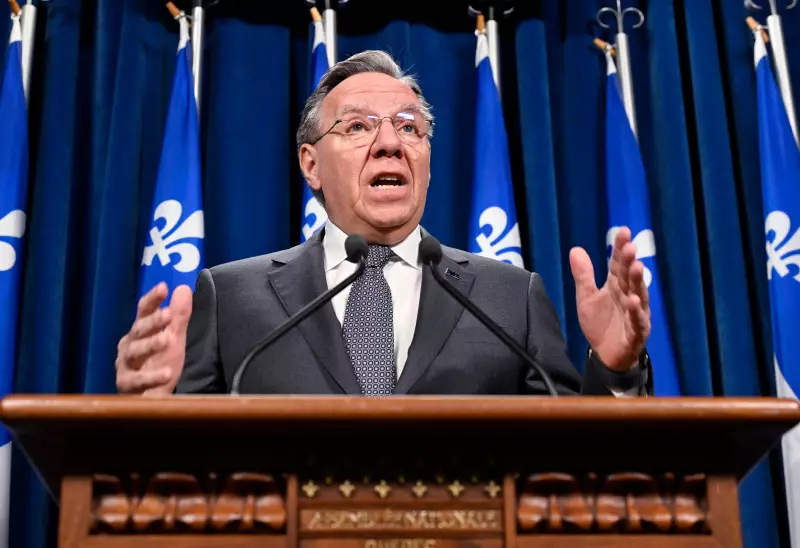
The allegation emerged against the backdrop of the provincial legislature in Quebec City, where Premier Legault had held a news conference on Tuesday, April 29, 2025. While the Premier addressed government business, the opposition leader was formulating a pointed critique of the CAQ's long-term strategy. The Liberal leader's claim suggests a belief that the governing party is not solely focused on its current mandate but is also preparing for a eventual transition at the top.
Reading the Political Tea Leaves
Political observers note that such accusations often reflect the heightened tensions and strategic maneuvering common in parliamentary systems. The suggestion of an impending leadership contest implies the Liberal opposition perceives either internal dissent within the CAQ or a belief that Premier Legault's tenure has a defined horizon. No specific evidence or timeline was provided in the initial report from The Canadian Press, which broke the story on April 30, 2025, but the mere airing of the suspicion is designed to frame the CAQ as a party looking past its current leader.

This political news unfolds as Quebec, like the rest of Canada, faces a range of other significant developments set for the coming year, including major shifts in remote work policies for public and private sector workers scheduled for 2026.
Broader Context and Implications
The political sphere in Quebec remains a distinct and fiercely competitive arena. An accusation from the official opposition leader that the governing party is preparing for a leadership race is a deliberate political tactic. It aims to project an image of a CAQ distracted by internal succession planning rather than governing, and to potentially sow doubt among the party's supporters. The coming months will reveal whether this accusation gains traction or fades as a standard partisan jab.
Ultimately, this development underscores the perpetual state of election readiness and internal positioning that defines modern politics, with parties constantly assessing their leadership strength and public appeal in preparation for future contests, whether they are publicly acknowledged or not.