Alberta Premier Smith Draws Ire for Targeting Immigrants in Referendum Plans
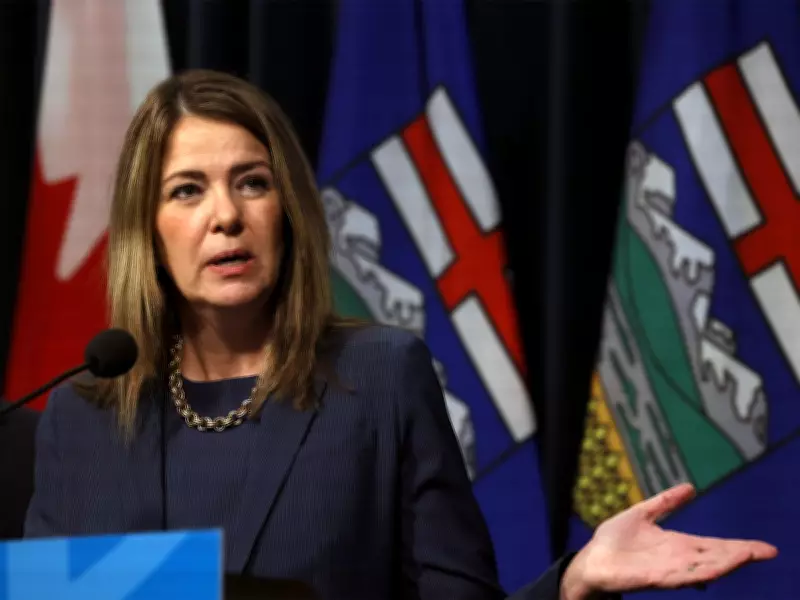
Alberta Premier Danielle Smith is facing significant criticism after announcing referendum questions that target newcomers, with many accusing her of scapegoating immigrants for the province's ongoing challenges. The controversy has sparked debates about political strategy, xenophobia, and the impact on Alberta's social fabric and national relations.
Critics Decry Xenophobic Tactics and Policy Consequences
In a series of letters published in the Edmonton Journal, multiple Albertans expressed outrage at Smith's approach. Jerome Hendrick of Edmonton questioned whether immigrants are truly responsible for issues like the lack of a new hospital in the west end or low morale among healthcare workers and educators. He pointed to Smith's connection with federal Conservative leader Pierre Poilievre, suggesting it hampers national unity and cooperation with provinces like British Columbia on critical projects such as pipelines.
Don Iveson, former mayor of Edmonton, highlighted the cynicism of using binary majoritarian ballot questions to target minorities. He noted the absence of a referendum on strengthening Confederation, despite the nearly half-million signatures collected for the Forever Canada petition last year. This omission raises questions about the premier's commitment to inclusive democracy.

Strategic Xenophobia as a Vote-Getter
Mark Senior of Edmonton acknowledged the political calculus behind Smith's strategy, describing it as a deliberate effort to fuel xenophobia for electoral gain. He argued that by denying vulnerable immigrants access to education and healthcare, the government creates conditions that lead to desperation and crime, ultimately costing the province more in social misery, disease, and homelessness. Senior condemned the approach as "evil and depraved" but conceded it might effectively rally Conservative voters.
Broader Implications for Provincial and National Politics
The backlash extends beyond immigration policy. Hendrick expressed concerns about Smith's push for a provincial police force, citing negative examples from the United States. He emphasized that Smith's policies and referendums are damaging Alberta's reputation and relationships across Canada, with the next election seen as a crucial opportunity for change.
Additionally, the debate touches on Alberta's no-fault insurance system, with critics warning that rigid benefits fail victims of catastrophic crashes. Unlike the traditional right to sue, which ensures accountability and fair treatment, no-fault systems often delay approvals and impose strict caps, leaving those with severe injuries like spinal cord trauma or brain damage underserved.
A Call for Accountability and Inclusive Governance
The collective criticism underscores a demand for more responsible leadership. Critics urge Smith to focus on substantive solutions rather than divisive tactics, emphasizing the need for policies that support all Albertans, including immigrants. As the province grapples with healthcare shortages, environmental issues, and economic pressures, many argue that unity and cooperation, not scapegoating, are essential for progress.
The upcoming referendums and elections will test whether Smith's strategy resonates with voters or if Albertans reject what opponents label as harmful xenophobia. The outcome could shape not only Alberta's future but also its role within Confederation.