Alberta Premier Danielle Smith to Face Questions on Immigration Referendum
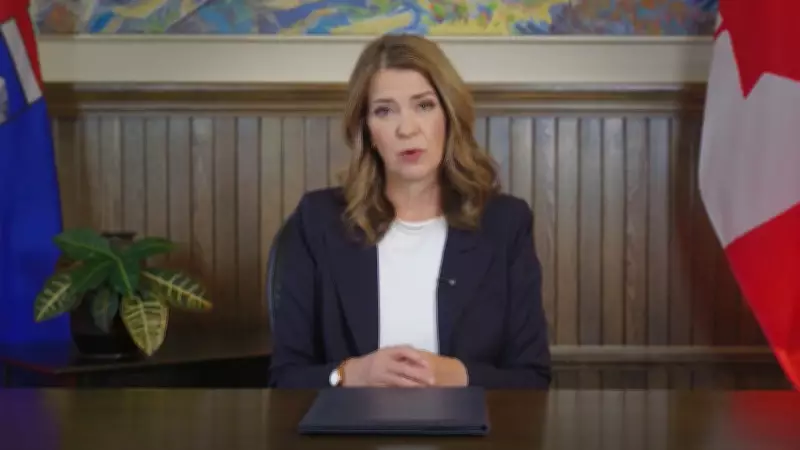
Alberta Premier Danielle Smith is poised to address inquiries concerning the upcoming immigration referendum scheduled for October, following her recent televised address on February 19, 2026. The referendum, which has sparked significant debate, aims to grant Alberta increased control over immigration policies, a move that has drawn both support and criticism from various stakeholders across the province.
Background and Context
The referendum, announced earlier this year, consists of nine key questions designed to gauge public opinion on Alberta's autonomy in immigration matters. Premier Smith's address emphasized the need for provincial oversight to better align immigration with local economic and social needs, arguing that current federal policies do not adequately address Alberta's unique circumstances.
Critics, however, have labeled the referendum as a "clear crackdown on immigrants," expressing concerns that it could lead to discriminatory practices and undermine national unity. Advocacy groups and opposition parties have called for transparency and public consultation to ensure the referendum process is fair and inclusive.

Political Implications
The upcoming questions session is expected to delve into the specifics of the referendum, including its legal framework, potential impacts on immigrant communities, and the economic rationale behind seeking greater control. Political analysts suggest that Smith's handling of these questions could influence public perception ahead of the October vote, with implications for her government's stability and future policy directions.
In her televised address, Smith highlighted examples from other provinces that have successfully implemented tailored immigration programs, such as Quebec's distinct approach. She argued that similar models could benefit Alberta by addressing labor shortages and supporting sustainable growth in key sectors like energy and technology.
Public Reaction and Next Steps
Public reaction to the referendum announcement has been mixed, with some Albertans expressing support for increased provincial autonomy, while others worry about potential conflicts with federal immigration laws. Community organizations have planned forums and discussions to educate voters on the referendum's implications, emphasizing the importance of informed participation.
As the October date approaches, Smith's government is expected to release detailed information on the referendum questions and campaign guidelines. The premier's upcoming session with media and stakeholders will be closely watched, as it may set the tone for the broader political discourse on immigration in Alberta and across Canada.
This development comes amid other national news, including federal warnings for First Nations people crossing the U.S. border and ongoing negotiations with B.C. ambulance paramedics, but the focus in Alberta remains firmly on the immigration referendum and its potential to reshape provincial policies.