Vancouver's Progressive Primary Plan Sparks 'Ultimatum' Accusations from Left-Leaning Parties
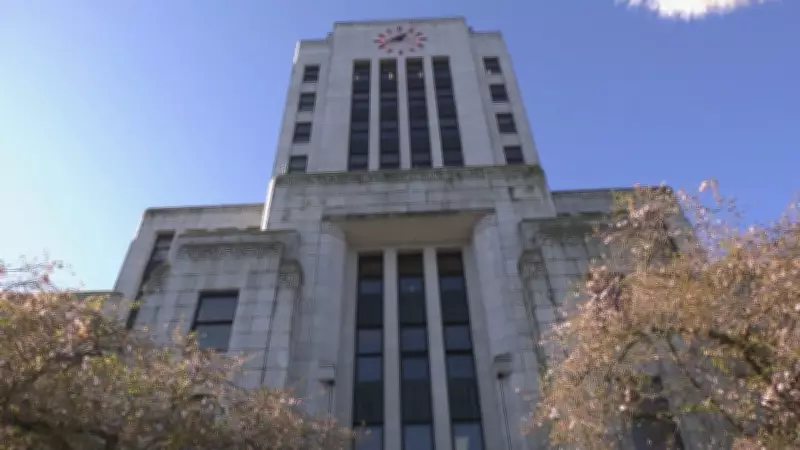
Vancouver's city hall has become the epicenter of a heated political controversy as its proposed progressive primary plan faces fierce opposition from left-leaning political parties. The plan, which aims to reshape how candidates are selected for municipal elections, has been described by critics as nothing short of an "ultimatum" that could fundamentally alter the city's political landscape.
The Core of the Controversy
At the heart of the dispute is a primary system designed to ensure progressive candidates have a clearer path to nomination. Proponents argue this would prevent vote-splitting among left-leaning voters and create more cohesive political movements. However, several established left-leaning parties have raised significant concerns about the implementation and implications of such a system.
These parties contend that the plan presents them with an impossible choice: either conform to the new primary structure or risk being marginalized in future elections. The language of "ultimatum" has emerged repeatedly in their critiques, suggesting they feel forced into compliance rather than being genuine partners in electoral reform.

Political Implications and Reactions
The controversy highlights deeper tensions within Vancouver's progressive political circles. Some observers note that the primary plan could consolidate power among certain factions while diminishing the influence of traditional left-leaning parties that have long been part of the city's political fabric.
Supporters of the plan counter that Vancouver's current electoral system allows conservative candidates to benefit from divided progressive votes. They argue that a coordinated primary would ensure progressive voters unite behind the strongest candidates, potentially shifting the balance of power in city council and other municipal offices.
Broader Context and Future Outlook
This debate occurs against the backdrop of Vancouver's evolving political identity, where issues like housing affordability, climate action, and social equity dominate public discourse. The primary plan controversy reflects how these substantive policy debates intersect with questions of political process and representation.
As discussions continue, all parties involved face pressure to find common ground. The outcome could set precedents for how Canadian cities approach electoral reform and party coordination in municipal politics. Whether described as an ultimatum or an opportunity, Vancouver's progressive primary plan has undoubtedly ignited one of the city's most significant political conversations in recent years.