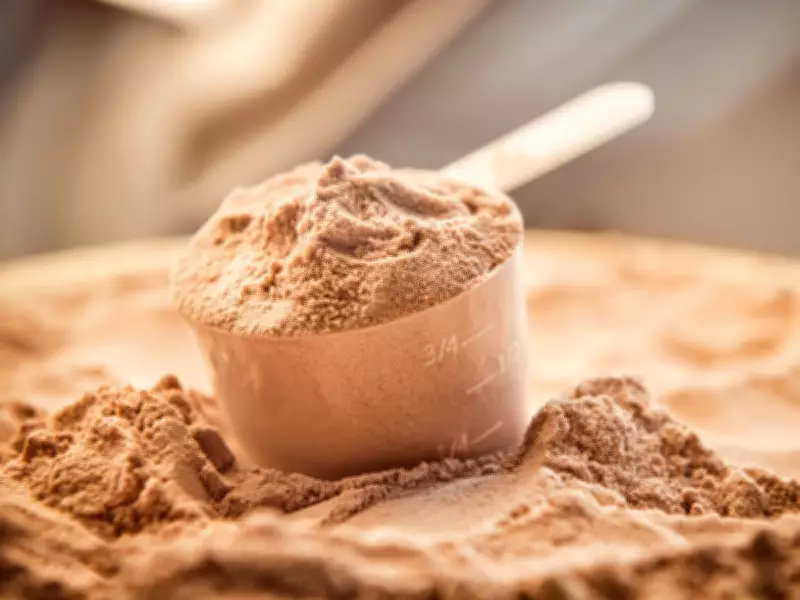
Whey protein, a key ingredient in many popular food products, is running out as food companies incorporate it into everything from chips to lattes. The insatiable demand has led to shortages and skyrocketing prices, forcing some manufacturers to halt production or reformulate their top-selling products with alternative ingredients.
Supply Chain Struggles
In early May, a supplier informed HelloAmino, a Canada-based baking and beverage company, that it had run out of whey protein. Founder Aelie Swift found a new supplier in the United States, but the price is 50 percent higher and expected to rise further. The new whey protein also caused quality issues, drying out the company's baked goods due to different processing methods.
“Our pancakes came out like sawdust,” Swift said. The company plans to reformulate using a different combination of proteins, as “whey has become too expensive to continue to use the way we previously have,” she added.

Protein Mania Meets Reality
The protein craze sweeping the food industry is hitting supply chain limits. Major companies like Mars Inc. and Starbucks Corp. have launched protein-boosted products, increasing demand for whey, which is valued for its solubility, digestibility, and versatility. However, as a byproduct of cheese making, whey production cannot be easily ramped up. During cheese production, milk is separated into curds and liquid whey, which is then pasteurized and dried into protein powders.
“You start to think of yourself as a protein company, not a cheese company,” said Bryan Weller, vice president of commodity and dairy sales at dairy cooperative Agri-Mark, which makes cheese under the Cabot Creamery brand. “That’s just how crazy it’s gotten.” Agri-Mark is completely oversold on whey protein and still receives daily requests for immediate purchases.
Price Hikes and Supply Constraints
According to the U.S. Department of Agriculture, some suppliers are already sold out for the remainder of the year. Available whey protein has surged in price, with offers for high-protein whey concentrate rising more than 40 percent on average in recent months. Buyers now need existing relationships with whey producers, whereas previously, producers would approach food companies, said George Saker, vice president of supply chain at protein bar company David.
Many companies are focused on securing supply, said David Lenzmeier, CEO of ingredient supplier Actus Nutrition. They are willing to “roll with what the market price is” just to obtain whey, he noted.