Human rights activists monitoring the ongoing civil unrest in Iran have reported a significant and grim milestone. The death toll from violence surrounding widespread protests has now reached at least 116 people, according to their latest assessments. The protests represent a direct challenge to the nation's entrenched theocratic rule.
Escalating Violence and State Response
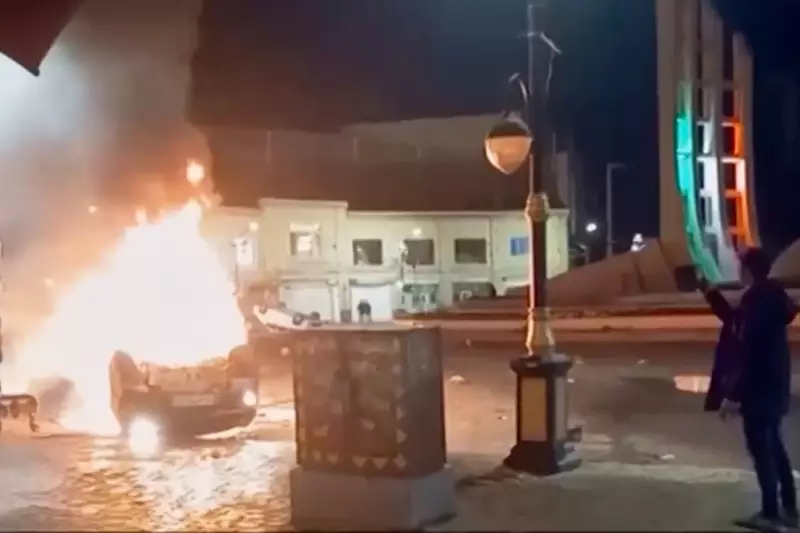
The updated fatality figure, reported on January 10, 2026, underscores the severe crackdown by state security forces. The protests, which have swept across multiple cities, were sparked by deep-seated political and social grievances against the governing system. Visual evidence, including a video frame released by Iranian state television on January 9, 2026, depicted scenes of significant turmoil, such as burning vehicles in the city of Zanjan, suggesting the scale of the nightly demonstrations.
Activist groups operating both inside and outside the country have been diligently documenting casualties, often relying on verified video footage, hospital reports, and local sources. Their counts frequently exceed official government statements, which typically downplay the severity of the unrest and rarely acknowledge fatalities caused by security forces.

A Persistent Challenge to Authority
This wave of protests is notable for its overt political nature, directly questioning the legitimacy and structure of Iran's Islamic Republic. The willingness of citizens to confront security forces on the streets, despite the known risks, points to a profound level of public dissent. The 116 reported deaths mark a tragic escalation in the state's efforts to quell this dissent through force.
The activist-reported casualty numbers serve as a crucial counter-narrative to state-controlled media, providing the international community with a clearer, though likely still incomplete, picture of the human cost. Each fatality reported adds to a growing list of individuals whose deaths have become focal points for further anger and mobilization among protesters.
International Context and Reaction
The situation in Iran continues to draw global attention and concern from human rights organizations and foreign governments. The rising death toll amplifies calls for independent investigations into the conduct of security forces and for the Iranian government to exercise restraint and respect for fundamental rights. The persistence of the protests indicates that socio-political pressures within Iran have not been resolved and may continue to fuel instability.
The reporting by The Associated Press on January 10, 2026, based on activist sources, remains a primary source of information for many outside the country, highlighting the critical role of independent journalism in conflicts where information is tightly controlled.