When Iranian citizens take to the streets to oppose theocratic tyranny, their plea to the international community is simple: bear witness. Yet, according to a sharp critique, this fundamental request has been largely ignored by Canadian media outlets and so-called progressive voices, an omission framed as a form of complicity with Islamist terror.
A Silence Amidst Bravery
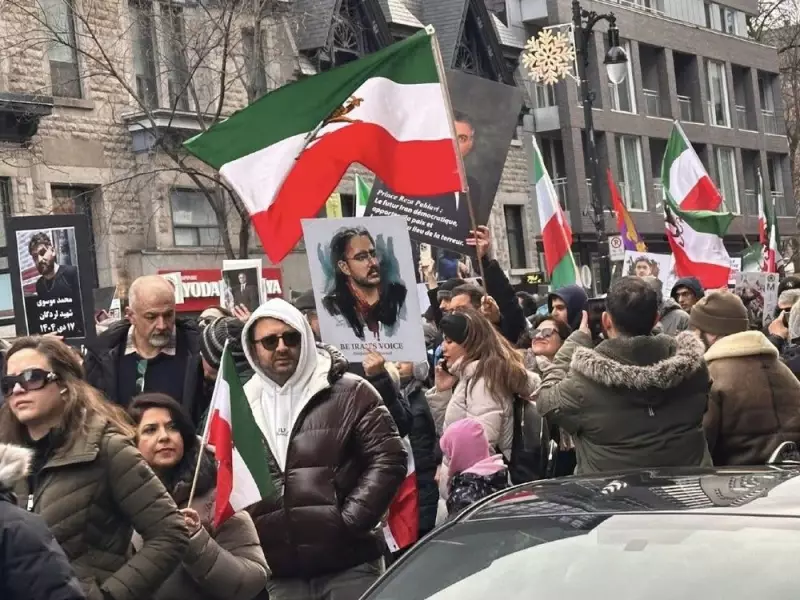
For nearly two weeks in January 2026, Iranian protesters inside Iran risked their lives in demonstrations against the regime. The movement gained further visibility on Saturday, January 10, 2026, when tens of thousands of supporters flooded streets not only across Iran but also in major Western cities, including Montreal and Toronto.
Despite the scale and courage of these protests, significant media coverage in Canada was slow to materialize. Beryl P. Wajsman, writing for the National Post, contends that this lack of attention constitutes a failure. He points out that real-time videos showcasing Iranian defiance in over a dozen cities failed to break through the silence of many "progressive" commentators.

Montreal: A Hub of Unheard Activism
The city of Montreal has emerged as a pivotal center for Iranian diaspora activism in North America. Following the death of Mahsa Amini—a young woman killed by Iran's morality police—Iranian Montrealers have organized sustained and disciplined protests. These demonstrations have featured powerful acts of defiance, such as women burning headscarves, and families holding photos of those killed or executed by the regime.
Wajsman, who has worked with Montreal's Iranian activist community through the Institute for Public Affairs of Montreal, notes that the protesters' message is clear. They advocate for secular governance, women's equality, and pluralist democracy. Notably, many also explicitly reject groups like Hamas, identifying them as part of the same Islamist ideological network that oppresses Iran.
Selective Outrage and a Damning Charge
The critique extends to a perceived hypocrisy. Wajsman argues that Western leftists and many feminists, who often champion causes like "Free Maduro" in Venezuela, have been conspicuously quiet about the savage repression of women in Iran. He posits a troubling conclusion: To judge by their obsessions, Western leftists are against supremacy except when it’s Islamist supremacy.
This media and activist neglect, according to the argument, is not passive. By failing to amplify the voices of those fighting a regime they claim to oppose, and by ignoring their clear disavowal of terrorist groups, these institutions and individuals become complicit in enabling Islamist terror. The article calls for a realignment of attention and solidarity with the Iranian people's struggle for fundamental freedoms.