Mexico's 'Gen Z' Protest Sees Limited Youth Turnout
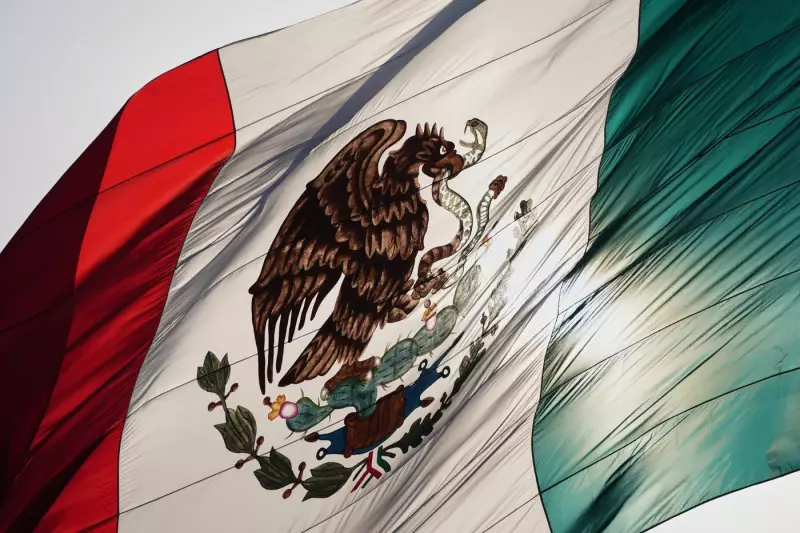
A protest movement inspired by the global 'Generation Z' activism failed to attract significant numbers of young people in Mexico City, instead drawing mostly government critics and political opponents. The demonstration took place on Thursday, November 13, 2025, in the city's Zocalo square, where Mexico's iconic coat of arms decorates a large national flag.
The event revealed a surprising disconnect between the intended youth-focused movement and actual participation, with observers noting that the majority of attendees appeared to be established political activists rather than the younger demographic the protest sought to mobilize.
Political Context and Government Response
While the protest was organized under the banner of youth activism, the composition of participants suggests broader political motivations at play. The demonstration occurred against a backdrop of ongoing political tensions in Mexico, though specific grievances driving the protest weren't detailed in initial reports.

Government officials have been monitoring the situation closely, with some analysts suggesting that the limited youth participation indicates either organizational challenges or differing priorities among Mexico's younger generation compared to their international counterparts.
Broader Implications for Youth Activism
The protest's demographic composition raises questions about the transferability of global youth movements across different cultural and political contexts. While Generation Z has been at the forefront of political activism in many countries, the Mexican iteration appears to have resonated differently with local youth.
This development comes as social movements worldwide grapple with adapting universal messages to local realities, particularly in regions with distinct political histories and social structures. The Mexico City protest serves as a case study in how global activist trends manifest—or fail to take root—in specific national contexts.
Observers will continue to monitor whether subsequent efforts can better engage Mexico's youth or if the movement will remain dominated by established political voices using the Gen Z label.