The reported capture of Venezuelan President Nicolás Maduro has sparked a complex and divided reaction among residents of Winnipeg, home to a growing Venezuelan diaspora. The news, which broke in early January 2026, has become a focal point for both celebration and concern in the Manitoba capital.
Local Protests and Community Response
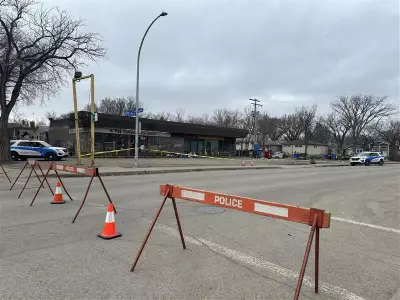
On January 4, 2026, a group of protesters gathered at the busy intersection of River Avenue and Osborne Street in Winnipeg. The demonstration highlighted the deep political fissures within the local community regarding the situation in Venezuela. While some participants expressed support for the action against Maduro's government, others voiced apprehension about the potential for further instability and humanitarian crisis in the South American nation.
This local event mirrors a wider celebration reported among Venezuelans in New Brunswick, indicating a significant diaspora response across Canada. For many who have fled the economic and political turmoil of their home country, the news represents a potential turning point. However, the reaction is far from unanimous, with concerns about the legitimacy of the capture and its consequences weighing heavily on others.

Broader Canadian Implications and Expert Analysis
The situation has drawn commentary from Canadian foreign policy and economic experts. Some analysts have scrutinized statements from figures like former Bank of Canada governor Mark Carney regarding the crisis. Furthermore, the event has been framed as a "medium-term" risk to Canada, particularly if it leads to a change in control over Venezuela's vast oil reserves, as suggested by former U.S. President Donald Trump.
This geopolitical shift could impact global oil markets and, by extension, Canada's energy sector and economic policy. The incident underscores how distant political events can resonate directly in Canadian cities, influencing community dynamics, foreign policy discussions, and economic forecasts.
A City Reflects Global Divisions
The mixed reaction in Winnipeg serves as a microcosm of the global debate surrounding Venezuela. The city's response encapsulates the hopes of those seeking democratic change and the fears of those worried about intervention and chaos. It also highlights the active role of diaspora communities in Canadian public discourse, bringing international conflicts to local street corners and community centers.
As the situation continues to develop, Winnipeggers with ties to Venezuela, along with engaged citizens, will likely continue to watch closely. The events of early 2026 have firmly connected this Prairie city to a complex geopolitical struggle thousands of kilometers away.