$25 Million Donation Establishes Innovative Toronto Homelessness Model
A transformative $25 million philanthropic donation has been announced to establish a new, comprehensive model for addressing homelessness in Toronto. This significant investment aims to create a more effective and sustainable approach to tackling one of the city's most pressing social challenges.
Building a Holistic Framework
The funding will support the development of an integrated framework that moves beyond temporary shelter solutions. The model emphasizes a coordinated strategy combining permanent supportive housing, mental health services, addiction recovery programs, and employment training. This multi-faceted approach is designed to address the root causes of homelessness and provide long-term stability for individuals and families.
Focus on Toronto's Specific Needs
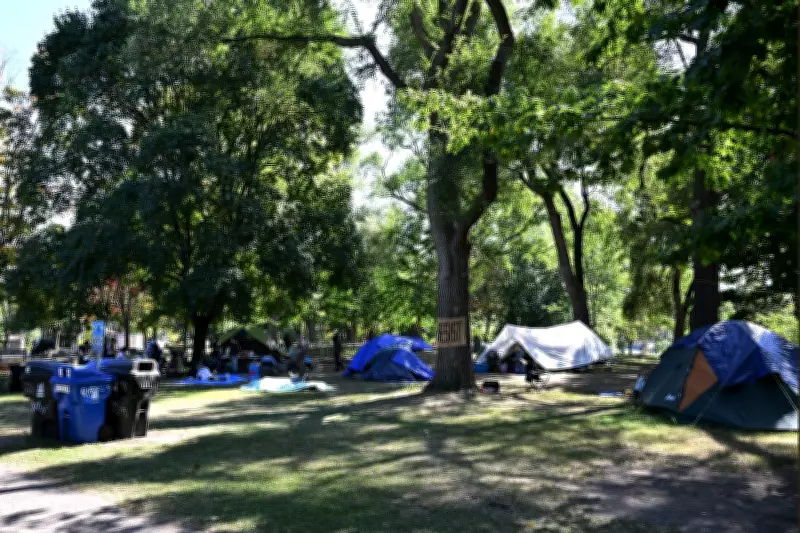
The initiative is specifically tailored to the urban context of Toronto, where homelessness has become increasingly visible in public spaces like parks. The model will leverage local partnerships with community organizations, healthcare providers, and municipal agencies to ensure services are accessible and responsive to the city's unique demographic and economic pressures.

"This donation represents a critical step toward reimagining how we support our most vulnerable residents," said a representative involved with the initiative. "By creating a connected system of care, we can offer a real path out of homelessness."
Key Components of the New Model
- Housing First Principles: Prioritizing immediate access to safe, permanent housing without preconditions.
- Wraparound Support Services: Providing ongoing case management, counseling, and healthcare.
- Economic Integration Programs: Offering job readiness workshops and skills development opportunities.
- Prevention and Early Intervention: Implementing strategies to assist those at risk of becoming homeless.
The $25 million donation is expected to serve as a catalyst for additional public and private funding, with the goal of creating a scalable model that could inform homelessness strategies in other Canadian cities facing similar crises.