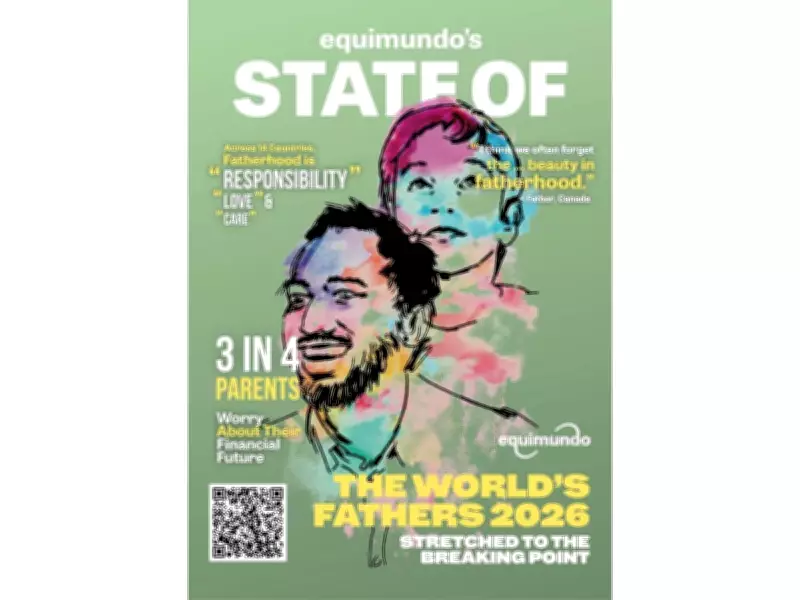
A new study from Equimundo, titled The State of the World's Fathers 2026: Stretched to the Breaking Point, reveals that while fathers value caregiving more than ever, they face significant barriers in providing equal care for their families. The research highlights that half of the world's fathers and mothers feel unsupported by society in their caregiving roles.
Key Findings
The study, based on online panels of 8,000 parents and caregivers across 16 countries, uncovers widespread financial strain. One in four fathers have refinanced or sold their homes to cover care responsibilities, while half have taken on second or third jobs. Over 60% work overtime to make ends meet, and three in four lose sleep over their financial future.
Despite these challenges, 87% of fathers report that time with their newborns is a source of health and happiness. However, fewer than half know that parenting support exists, and 87% say they are not getting the support they need. Over 64% would be willing to pay higher taxes for more public care services.

Sacrifices and Stress
The report's "sacrifice scorecard" details the many compromises parents make. One in three turned down professional advancement, and over half tapped into emergency funds for survival. Parents make six to eight separate sacrifices to provide care, leading to increased anxiety, suicidal thoughts, and higher alcohol consumption.
Economic precarity underpins these daily sacrifices, with more than 80% of parents saying their employer won't allow flexible working. Only 39% of fathers have been offered parenting support.
Changing Norms
While equality in caregiving is increasing, stress on families has also risen. Nearly half of all fathers believe that men who are full-time fathers are not "real men," yet over 90% value their home contributions as much as paid work. Fathers are ready, along with mothers, to demand and vote for better care policies.
Equimundo has conducted this analysis every two years since 2015. The trends show that while fathers are caring more equally, they face an equal share of the stresses.