Moncton's Homelessness Crisis: A New Report Demands 26 Immediate Actions
A recently published report on homelessness in Moncton, New Brunswick, has sparked urgent calls for action, describing the current situation as "unhoused and unacceptable." The comprehensive document outlines 26 specific recommendations aimed at tackling the growing crisis in the city's downtown area and beyond.
The Scope of the Problem
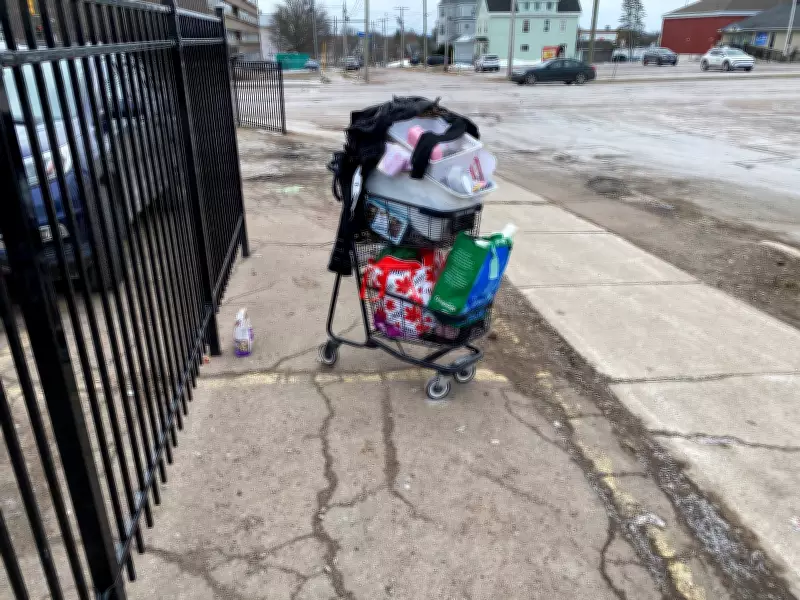
The report, released on March 23, 2026, highlights the visible signs of homelessness, such as shopping carts filled with personal belongings, which have become a common sight in Moncton's urban core. It emphasizes that this issue is not just a matter of housing but a complex social challenge affecting vulnerable populations. The findings are based on extensive research and community input, painting a stark picture of the daily struggles faced by those without stable shelter.
Key Recommendations from the Report
The 26 actions proposed in the report cover a wide range of areas, including:

- Emergency Shelter Expansion: Increasing the number of temporary beds and safe spaces for immediate relief.
- Affordable Housing Initiatives: Developing long-term solutions through subsidized housing projects and rent control measures.
- Support Services Enhancement: Improving access to mental health care, addiction recovery programs, and job training.
- Community Engagement: Involving local residents and businesses in collaborative efforts to reduce stigma and foster support.
- Policy Reforms: Advocating for changes at the municipal and provincial levels to address systemic barriers.
These recommendations are designed to be implemented in phases, with some actions targeting immediate needs and others focusing on sustainable, long-term strategies. The report stresses that a coordinated approach involving government agencies, non-profit organizations, and the private sector is essential for success.
The Urgency of the Situation
According to the report, the homelessness crisis in Moncton has reached a critical point, with rising numbers of individuals and families affected by economic hardships, health issues, and social exclusion. The authors argue that without swift intervention, the problem could worsen, leading to increased public health risks and strain on community resources. They call for immediate funding and political will to enact the proposed measures, noting that delays could have dire consequences for the city's most marginalized residents.
Looking Ahead
As Moncton grapples with this pressing issue, the report serves as a roadmap for change, urging stakeholders to prioritize homelessness as a top concern. It concludes by emphasizing that addressing homelessness is not only a moral imperative but also a practical necessity for building a healthier, more inclusive community. The coming months will be crucial in determining whether these 26 actions can translate into tangible improvements for those in need.