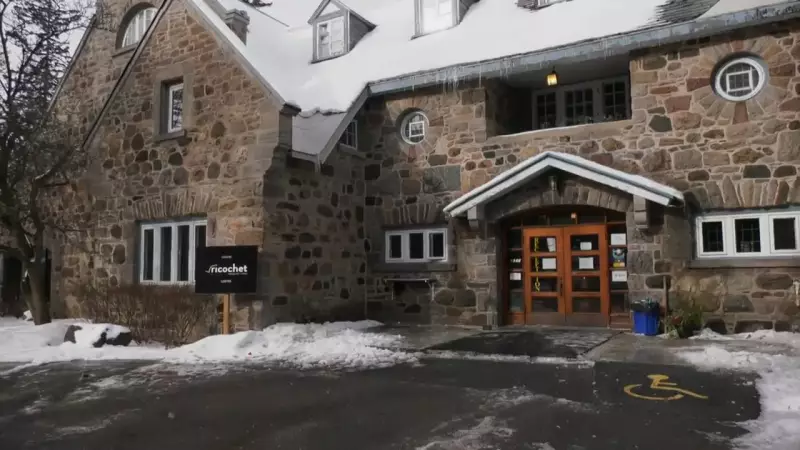
The Ricochet shelter in Montreal's West Island is taking urgent action to address the growing housing crisis by adding 22 temporary beds to its facility. This expansion comes as demand for emergency shelter spaces continues to rise across the city.
Responding to Growing Need
Shelter operators have observed a significant increase in people seeking emergency housing throughout Montreal. The decision to add 22 temporary beds represents a crucial stopgap measure while longer-term solutions are developed. This expansion will provide immediate relief for individuals and families facing housing insecurity in the West Island area.
The shelter's management confirmed the additional capacity will be available starting this week, with resources allocated to ensure proper staffing and support services for new residents. Community organizations have welcomed the move but emphasize that more comprehensive solutions are needed to address the root causes of homelessness.

Broader Housing Challenges
Montreal has been grappling with a worsening housing situation that reflects trends seen across many Canadian cities. Rising rental costs, limited affordable housing stock, and economic pressures have contributed to more people requiring emergency shelter services.
The West Island expansion occurs alongside other municipal efforts to address housing insecurity, though advocates argue coordinated provincial and federal action is necessary to create meaningful change. Shelter operators note they've been operating at or near capacity for several months, prompting this temporary expansion.
Community Impact and Next Steps
Local residents and business owners have expressed mixed reactions to the shelter expansion. While many recognize the humanitarian necessity, some have raised concerns about resource allocation and neighborhood impact. Shelter officials have committed to maintaining open communication with the community throughout the implementation process.
The temporary beds are expected to remain in place through the winter months, with regular assessments planned to determine if extended operation is necessary. Meanwhile, city officials continue to explore longer-term housing strategies that could provide more permanent solutions for those experiencing homelessness.
Community organizations are encouraging residents to support local shelters through donations and volunteer work, particularly as colder weather approaches and demand for services typically increases.