Pride Festivals Turn to Federal Government for $3 Million Lifeline Amid Corporate Withdrawal
In a significant shift for Canada's LGBTQ+ community, Pride festivals across the nation are urgently seeking $3 million in federal funding to compensate for a sharp decline in corporate sponsorship. This financial shortfall is directly linked to a growing backlash against diversity, equity, and inclusion (DEI) initiatives, which has prompted many businesses to reconsider their support for such events. The move highlights the precarious financial footing of these cultural celebrations, which rely heavily on external backing to operate.
Corporate Retreat from DEI Initiatives Creates Funding Crisis
The reduction in corporate support comes amid a broader societal pushback against DEI programs, with some companies facing pressure from conservative groups and shareholders to distance themselves from politically charged causes. Pride festivals, which have long benefited from corporate partnerships for funding, logistics, and visibility, are now grappling with budget gaps that threaten their scale and sustainability. Organizers report that sponsors who previously contributed tens of thousands of dollars are either reducing their donations or pulling out entirely, citing shifting priorities or external controversies.
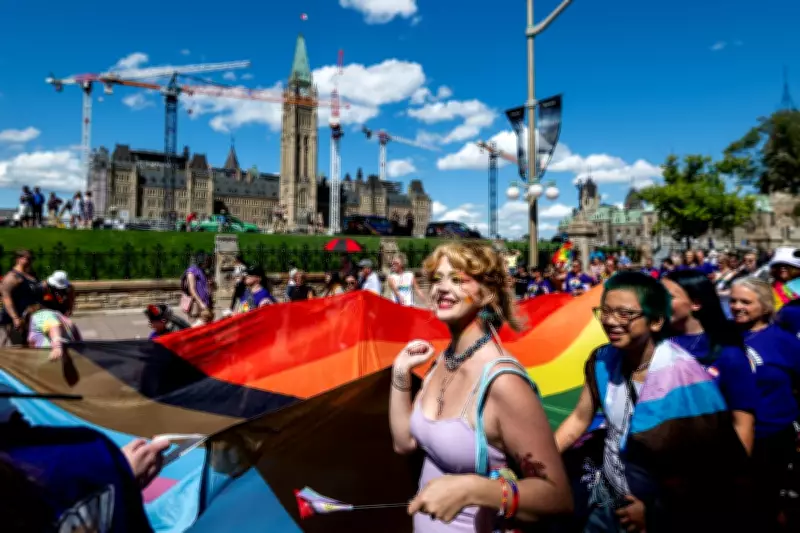
This trend is particularly concerning for large-scale events like the Capital Pride Parade in Ottawa, which drew thousands of participants and spectators in August 2025. During that parade, attendees representing the Ottawa Carleton District School Board were seen holding a massive rainbow flag near Parliament Hill, symbolizing the community's vibrant presence. Without adequate funding, such displays of solidarity and celebration could be diminished or jeopardized in future years.

Federal Funding Request Aims to Bridge the Gap
The $3 million request to the federal government is intended to provide a stable financial foundation for Pride festivals, ensuring they can continue to promote inclusivity and safe spaces for LGBTQ+ individuals. Advocates argue that this support is crucial not only for event logistics but also for maintaining the visibility and advocacy work that Pride represents. They emphasize that these festivals play a key role in fostering social cohesion and advancing human rights, aligning with Canada's commitments to diversity and inclusion.
However, the request raises questions about the government's role in funding cultural events, especially as it navigates competing budgetary priorities. Supporters contend that federal intervention is necessary to counteract the chilling effect of corporate withdrawal, which could silence important voices in the public sphere. Critics, on the other hand, may view this as an overreach or a politicization of public funds.
Broader Implications for LGBTQ+ Advocacy and Community Events
The funding crisis extends beyond immediate financial concerns, reflecting deeper tensions around DEI efforts in Canada. As corporations recalibrate their social responsibility strategies, community-led initiatives like Pride festivals are left vulnerable, potentially undermining decades of progress in LGBTQ+ rights. Organizers warn that without alternative funding sources, they may be forced to scale back events, reduce programming, or even cancel celebrations, which would impact local economies and community morale.
In response, some Pride groups are exploring grassroots fundraising and partnerships with smaller, local businesses to diversify their revenue streams. Yet, the $3 million federal ask remains a critical component of their strategy to ensure long-term viability. The outcome of this request could set a precedent for how Canada supports marginalized communities in an era of increasing polarization.
Ultimately, the situation underscores the fragile interplay between corporate social responsibility, government support, and community resilience. As Pride festivals await a decision on federal funding, their struggle highlights the ongoing challenges in sustaining inclusive spaces amid shifting societal attitudes.