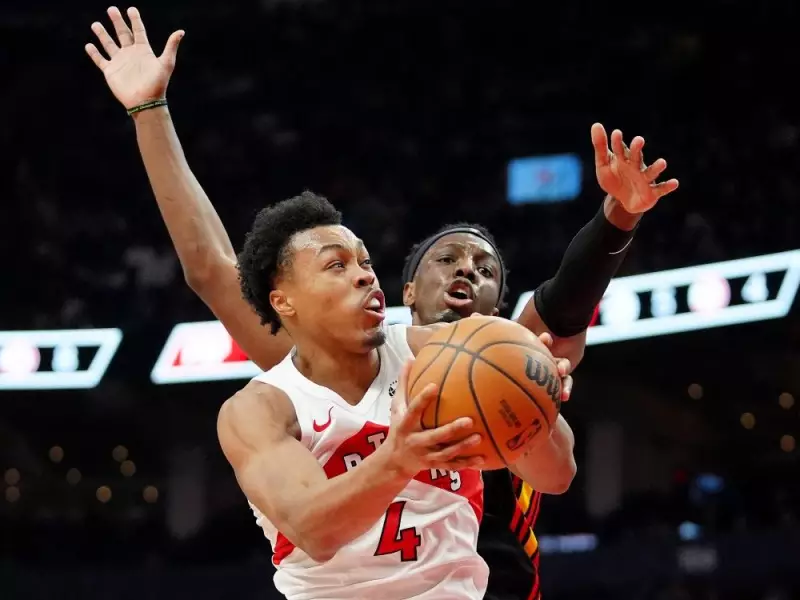
The Toronto Raptors find themselves at a pivotal juncture in their season. Sporting a solid 22-15 record, the team's success has been primarily fueled by the dynamic duo of Brandon Ingram and Scottie Barnes. As the NBA's February 5 trade deadline rapidly approaches, the franchise faces a critical decision: stand pat with its current core or make a significant move to elevate the team's ceiling in a wide-open Eastern Conference.
The Core is Set, But Help is Needed
Since acquiring Brandon Ingram from the New Orleans Pelicans last season in a deal involving Kelly Olynyk, Bruce Brown, and draft picks, the Raptors have secured their foundational piece. Ingram immediately signed a three-year, $120 million extension and has teamed up with All-Star Scottie Barnes to drive Toronto's performance. The team recently completed a successful 4-1 homestand, capped by two consecutive wins over the Atlanta Hawks.
However, the consensus around the league is that this duo requires more support to make a deep playoff run. The team's needs are clear: size and shooting remain the most glaring areas for upgrade. Furthermore, questions persist about the point guard position, with Immanuel Quickley not viewed as the definitive long-term answer despite receiving a contract extension.

Navigating a Complex Trade Landscape
Making a trade in today's NBA is notoriously difficult. Stringent financial aprons limit excessive spending, and deals often involve matching salaries, expiring contracts, or swapping players in need of a change of scenery. While big names like Trae Young, Giannis Antetokounmpo, and Anthony Davis circulate in speculative rumors, such blockbuster moves to Toronto are considered highly improbable.
More realistic targets could be players on teams in transition or those with coveted expiring contracts. The Atlanta Hawks and Washington Wizards, both with losing records, possess such assets. Players like Luke Kennard, an elite spot-up shooter on a one-year deal with Atlanta, or Kristaps Porzingis, a floor-spacing big man also on an expiring contract, exemplify the profile of player that could complement Ingram and Barnes. Their skill sets address Toronto's identified needs, though it is not confirmed the Raptors are actively pursuing them.
Other names in the rumor mill include Sacramento Kings' Zach LaVine, a capable shot-creator, and Domantas Sabonis, who is currently injured. Golden State Warriors forward Jonathan Kuminga also becomes trade-eligible on January 15.
Internal Questions and the Ticking Clock
Beyond external acquisitions, the Raptors have internal decisions to ponder. The health of center Jakob Poeltl and his persistent back issues create uncertainty in the frontcourt. The franchise must also determine if it is willing to offer a major contract extension to RJ Barrett. The recent acquisition and subsequent release of Mo Bamba was seen by many as a move of desperation, highlighting the need for a more calculated and impactful transaction.
The message from the first half of the season is unambiguous: help for Ingram and Barnes is necessary. The Eastern Conference presents a genuine opportunity, but seizing it will likely require the front office to be aggressive and creative before the deadline clock strikes zero. The team's upcoming games against Charlotte and Boston—two teams that have each beaten Toronto twice—will further test the current roster's mettle.
As February 5 draws near, the Raptors' management must weigh the risks and rewards. Failing to act risks wasting the stellar production of their two stars and missing a window of contention. The time for speculation is ending; the time for action is now.