The Toronto Raptors entered a critical week of their NBA season hoping to demonstrate they could compete with the league's elite teams. Instead, they reinforced troubling patterns that have plagued them all season long.
Disappointing Results Against Top Competition
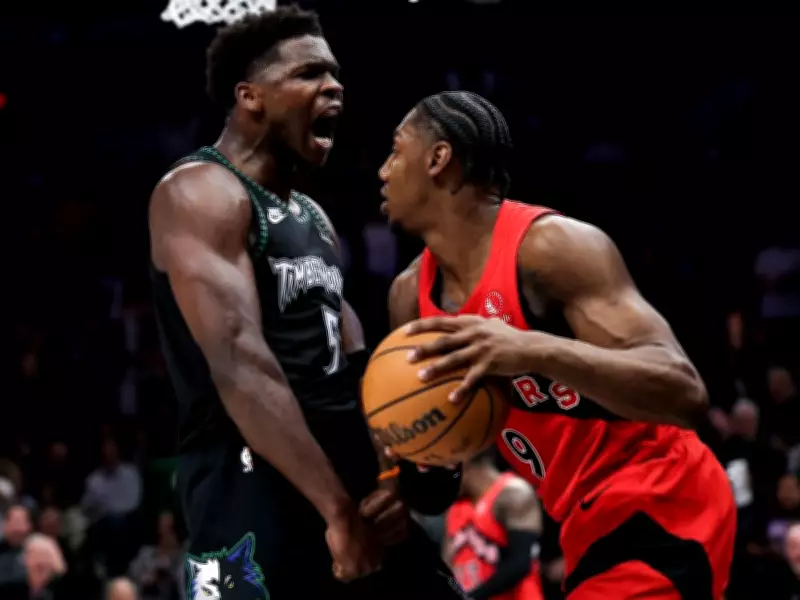
Facing nemesis New York Knicks and Western Conference contender Minnesota Timberwolves, the Raptors failed to secure victories against either opponent. Toronto fell to 0-4 against the Knicks this season, playing a competitive first quarter before being thoroughly outplayed. Two days later, the pattern repeated in Minneapolis with a 115-107 loss to the Timberwolves.
The statistics reveal just how dominant New York has been against Toronto. The Knicks shot 57% from the field in their latest victory, outscored the Raptors by 10 points in the paint, and collected 15 more rebounds. Over their four victories against Toronto, New York has averaged 50 rebounds per game - exceeding the Houston Rockets' NBA-leading season average of 48.4 rebounds per contest.

Playoff Implications and Matchup Concerns
With a potential first-round playoff matchup against New York increasingly likely, the Raptors face a daunting challenge. Against teams with .500 records or better, Toronto has managed just 17 wins against 22 losses. Their record against top-10 teams is particularly concerning at 4-17, including 15 losses in their last 16 games against elite competition.
"It might be the worst matchup imaginable for the Raptors," the analysis suggests, noting that Detroit also presents significant problems for Toronto's roster construction.
Roster Limitations and Shooting Deficiencies
The Raptors' struggles stem from several identifiable weaknesses that have persisted throughout the season:
- Shooting deficiencies: Toronto possesses one of the league's worst collections of shooters. Immanuel Quickley stands as the only regular rotation player who qualifies as an above-average three-point shooter.
- Fourth-quarter offensive struggles: Only the NBA's two worst teams and Phoenix score fewer points per 100 possessions in fourth quarters than Toronto.
- Bench depth concerns: Reserve players were outscored 26-8 by the Knicks and 34-25 by Minnesota in recent contests.
Scottie Barnes has emerged as one of the league's premier defensive players and is enjoying his best overall campaign. Brandon Ingram has exceeded expectations in his first season with Toronto but desperately needs additional support. Meanwhile, RJ Barrett's inconsistency and Jakob Poeltl's limited offensive range further compound the team's scoring challenges.
Future Considerations and Roster Questions
As the season progresses, several critical questions remain unanswered regarding Toronto's roster construction:
- How can the Raptors add more shooting to their lineup?
- What is the optimal way to utilize Collin Murray-Boyles' talents, particularly given his positional overlap with franchise player Scottie Barnes?
- What does the future hold for RJ Barrett, who has just one year remaining on his current contract?
The Raptors face difficult decisions with an expensive roster, impending free agency for key players like Sandro Mamukelashvili, and a first-round draft pick just outside the lottery range. These factors complicate potential roster moves and long-term planning.
Season Assessment and Moving Forward
Despite their struggles against elite competition, this season represents improvement compared to recent campaigns. The Raptors have demonstrated they can dominate weaker opponents and handle teams slightly above their level. However, their inability to compete consistently with the NBA's best raises legitimate concerns about their playoff viability.
The coming weeks will reveal whether Toronto can make meaningful adjustments or if they are destined to remain a team that excels against lesser competition while faltering against the league's elite. With the postseason approaching, time is running short for the Raptors to address their fundamental limitations.