2026 Olympic Curling Scandal Rocks the Sport's Gentlemanly Image
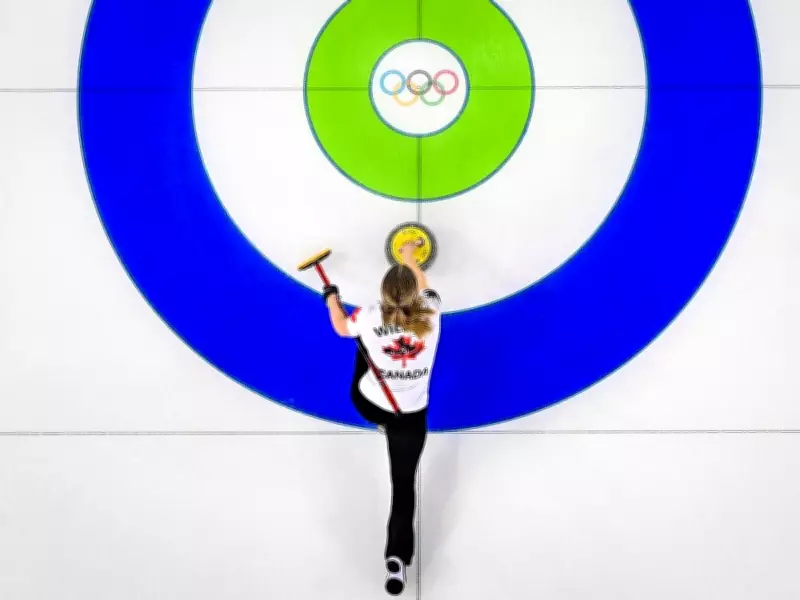
The 2026 Winter Olympics in Cortina d'Ampezzo, Italy, have witnessed a seismic shift in the world of curling, with a series of explosive incidents challenging the sport's long-standing reputation for gentlemanly conduct and self-policing. What began with amusing pre-game rituals has escalated into accusations of cheating, profanity-laden exchanges, and confusing rule enforcement that has athletes and fans alike wondering if curling can ever return to normal.
From Smelling Salts to Scandalous Allegations
Just days before the controversy erupted, Canada's men's rink led by Brad Jacobs was making headlines for their unusual pre-game ritual of sniffing smelling salts. Team members, including lead Ben Hebert, described this as a replacement for their younger Red Bull habits, humorously noting their dad lifestyles with early bedtimes. This lighthearted story now seems like a distant memory from a more innocent time in Olympic curling.
The Weekend That Changed Everything
The controversy ignited on Friday when Sweden's Oskar Eriksson publicly accused Canadian third Marc Kennedy of double touching stones before the hog line. The situation escalated dramatically when Kennedy responded with profanity, creating an unprecedented scene of public conflict between Olympic curlers. Canada quickly counter-claimed, accusing Sweden of engaging in illegal video recording to gather evidence against Canadian players.

The situation grew more complex when World Curling officials stepped up their officiating in response to the allegations, only to reverse course after facing furious backlash. This reversal came particularly after umpires controversially pulled a stone thrown by Canada's Rachel Homan, creating confusion about consistent rule enforcement.
Questioning Curling's Fundamental Culture
Canadian third Tracy Fleury expressed uncertainty about the sport's future direction, noting the unprecedented nature of the officiating changes. "It's definitely something that we haven't seen — them watching for double touching, so it's hard to say where it will end up," she stated, highlighting the disruption to curling's traditional norms.
The controversy has been amplified by curling's unique culture and history, where players traditionally self-police and complaining about officials has been virtually non-existent. The official rules themselves read like a knightly code of conduct, stating that "a true curler never attempts to distract opponents, nor to prevent them from playing their best, and would prefer to lose rather than to win unfairly."
Accusations and Counter-Accusations Escalate
Sweden has accused Kennedy, a 44-year-old veteran of four Olympic Games, of cheating, claiming they've been raising concerns about his delivery technique for nearly a decade. Canada has responded by characterizing Sweden's actions as a dirty tricks campaign designed to embarrass Canadian athletes on the Olympic stage.
Canadian athletes have repeatedly pointed out that they and Team Niklas Edin have competed against each other countless times, questioning why Sweden chose the Olympic platform rather than addressing concerns privately. Canadian skip Michael Fournier went further in his criticism, writing in The Curling News that Eriksson's public accusation while losing at the Olympics represented "a horrible violation of the spirit of the game."
Fournier characterized the move as "petty" and "beneath a player of his pedigree," concluding with the strong statement: "He has made the game worse, while it was on its biggest stage. Shame on you."
The Future of Olympic Curling
As the 2026 Games continue, the curling world faces fundamental questions about whether this represents temporary Olympic drama or a permanent shift in how the sport operates at elite levels. The combination of public accusations, profane exchanges, and inconsistent rule enforcement has created an environment far removed from curling's traditional emphasis on sportsmanship and mutual respect.
Athletes, officials, and fans are now left to wonder if the gentlemanly image of curling can survive this Olympic controversy, or whether the sport has entered a new era of heightened scrutiny and conflict that will redefine its character for years to come.