Three Manitoba MPs Made History as Canada's First Olympic Curling Champions
In the depths of the Great Depression, a remarkable sporting achievement unfolded that intertwined politics and athletics in an unprecedented way. Three newly-elected Conservative Members of Parliament from Manitoba—William Herbert Burns, James Langstaff Bowman, and Errick French Willis—became Canada's first Olympic curling champions at the 1932 Winter Games in Lake Placid, New York.
Political Context and Sporting Opportunity
Months into the economic turmoil of the Great Depression, R.B. Bennett's Conservative Party secured a majority government in the 1930 federal election, displacing Prime Minister William Lyon Mackenzie King with strong support from Prairie provinces. Among Bennett's new caucus members were three backbenchers from Manitoba who would soon make Olympic history.
The curling team consisted of skip William Herbert Burns, third James Langstaff Bowman, second Robert Barclay Pow (mayor of Fort William, Ontario), and lead Errick French Willis. Their timing proved impeccable as they were men of sufficient means to temporarily set aside parliamentary responsibilities and fund their own travel to what would become Canada's first Olympic curling tournament appearance.

The Road to Olympic Gold
Curling was selected as a demonstration sport for the 1932 Lake Placid Olympics alongside women's speed skating and sled dog racing. With the global economy in crisis, many nations including Great Britain, Sweden, and Switzerland declined to send teams due to financial constraints. The main criterion for participation became the willingness of players to cover their own expenses.
The Manitoba politicians received their Olympic opportunity when reigning Brier champion Bob Gourley of Winnipeg withdrew from consideration at the start of 1932. Pow, though from Ontario, was eligible to join because his city fell within Manitoba's curling district at the time.
"Many countries could not afford to send full teams of winter athletes," noted Canadian curling historian Doug Maxwell in his writings about the event.
Competition and Victory
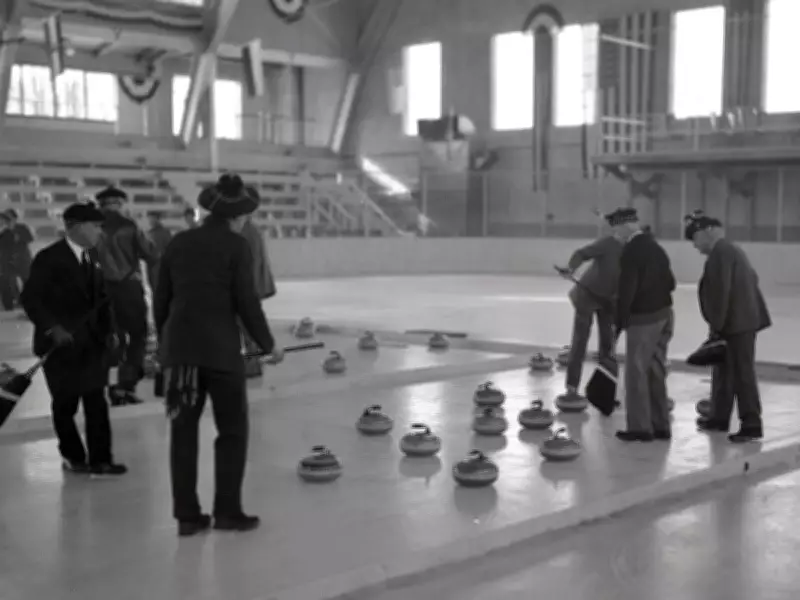
The Olympic curling tournament unfolded outdoors in bitterly cold conditions at Lake Placid, with winds so severe they froze the lips of the brass band hired to provide musical entertainment at Games venues. Despite the challenging environment, the Canadian team dominated their American opponents in 16-end games.
Their departure for the Olympics went unmentioned in House of Commons minutes, quietly occurring as Governor Franklin D. Roosevelt (not yet U.S. President) delivered opening remarks at the Games on February 4, 1932.
Historical Significance and Legacy
John Boyko, a biographer of Prime Minister Bennett, explained the political context: "Burns, Bowman and Willis were all from Manitoba, and they were all brought in as part of the Bennett sweep. A lot of brand-new MPs came in on his coattails."
The Olympians hailed from a curling heartland that had established dominance in Canadian competition. Although Manitoba didn't participate in the inaugural Brier championship in 1927, the province won the next five consecutive titles and ten championships within a fifteen-year span. The 54-year-old Burns was considered comparable in skill to the reigning Brier champion Gourley.
This unique convergence of political service and athletic excellence created an enduring chapter in both Canadian parliamentary history and Olympic sports legacy, demonstrating how public servants balanced demanding roles during challenging economic times to achieve sporting glory for their nation.