Olympic Curling Controversy Puts Sport's 'Spirit' Under Strain in Cortina
The 2026 Winter Olympics in Cortina d'Ampezzo, Italy, have been marred by a brewing controversy in the curling events, casting a shadow over the sport's long-held reputation for camaraderie and fair play. Known for its unique emphasis on the "spirit of curling," which prioritizes sportsmanship and respect above all else, the game is now facing intense scrutiny after a series of contentious incidents during competition.
Incident Sparks Debate Over Sportsmanship
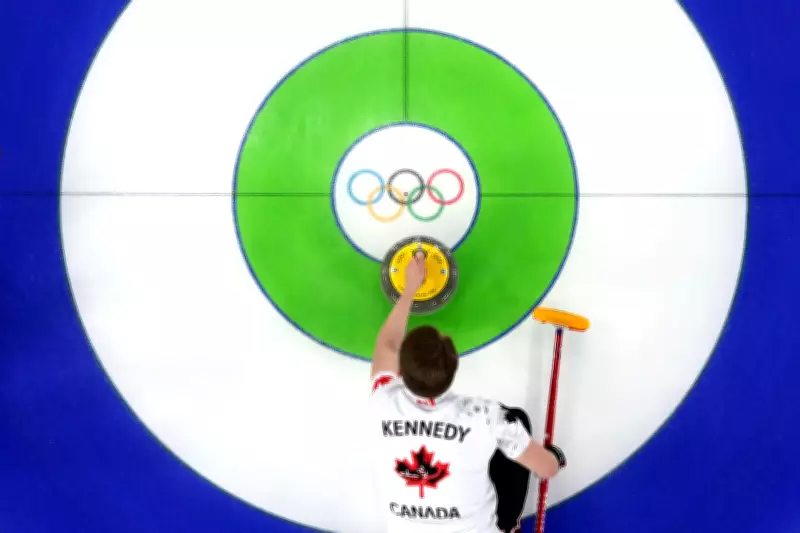
During a men's round-robin match between Canada and Czechia on Monday, February 16, 2026, tensions flared on the ice, leading to disputes over rule interpretations and player conduct. While specific details of the altercation remain under review by Olympic officials, eyewitnesses and reports indicate that the clash involved disagreements over stone placement and timing, escalating into a heated exchange between teams.
This event has ignited a broader conversation within the curling community about whether the traditional values of the sport are being eroded in the high-stakes environment of the Olympics. Curling's "spirit" principle, often cited as a cornerstone, encourages players to self-officiate and maintain integrity, but competitive pressures are testing these ideals.

Historical Context and Olympic Pressure
Curling has a storied history of emphasizing gentlemanly conduct, dating back to its origins in Scotland. At the Olympic level, however, the pursuit of medals can sometimes lead to heightened rivalries and strategic gamesmanship that challenge these norms. The incident in Cortina is not the first time Olympic curling has faced controversy, but it underscores a growing tension between maintaining tradition and embracing modern competitiveness.
Experts note that as the sport gains global popularity and media attention, athletes and teams are under increased scrutiny, potentially leading to more frequent disputes. The pressure to perform on the world stage can amplify emotions and result in conflicts that would be rare in amateur settings.
Reactions from the Curling Community
Reactions to the controversy have been mixed. Some veteran curlers and fans express concern that such incidents could tarnish the sport's image and deter new participants who value its respectful culture. Others argue that competitive intensity is natural in elite sports and that occasional controversies are part of the game's evolution.
Olympic organizers and the World Curling Federation are reportedly reviewing the matter to ensure fair play and uphold the sport's principles. Decisions on potential penalties or rule clarifications are expected in the coming days, as the tournament progresses toward the medal rounds.
Impact on the 2026 Winter Olympics
Beyond curling, this controversy adds to the challenges of the Cortina Games, which have already faced weather-related postponements in snowboard and freestyle skiing events. It highlights the delicate balance Olympic sports must strike between fostering competition and preserving their unique cultural identities.
As athletes continue to compete, all eyes will be on how the curling community addresses this strain on its spirit, setting a precedent for future international competitions. The outcome could influence not only the remainder of the 2026 Olympics but also the long-term governance and ethos of curling worldwide.