Canadian Figure Skating Duo Overcomes Adversity for Respectable Olympic Finish
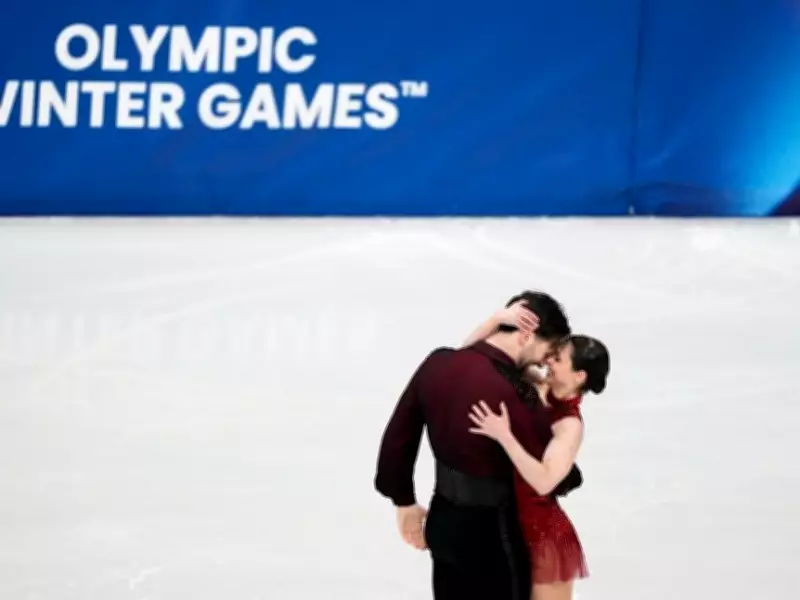
Deanna Stellato-Dudek and Maxime Deschamps concluded their Olympic journey with a resilient performance that showcased their determination and skill. The Canadian pairs figure skaters delivered a stronger free program at the 2026 Winter Olympics in Milan, Italy, ultimately securing 10th place in the overall rankings.
From Setback to Recovery
The duo's Olympic experience began with significant challenges during the short program competition. A stumble by Deschamps and a hard fall by Stellato-Dudek dropped them to 14th position initially, creating an uphill battle for the final standings. However, their free skate performance demonstrated remarkable recovery and focus, allowing them to climb four positions in the overall rankings.
At 42 years old, Stellato-Dudek completed her decade-long quest for Olympic participation alongside partner Deschamps. While the 10th place finish fell short of their podium aspirations, both skaters maintained positive attitudes about their experience and future possibilities.

Uncertain Future and Continued Passion
"I'm not certain that I'm done," Stellato-Dudek revealed to reporters after the competition. "The only limits you have are the ones that you set on yourself. So I might see you all again in four years." Her partner Deschamps responded with nervous laughter when asked about potential future Olympic participation, simply stating, "I don't know."
The competition itself presented additional obstacles for the Canadian pair. During their five-minute warm-up, Stellato-Dudek fell during a practice jump, landing on her right side and sliding into the padded rink edge. Broadcast commentators noted the unfortunate incident, with one observing, "Oh, that looked like Deanna Stellato-Dudek down again. That is not good."
Technical Challenges and Unexpected Incident
During their actual performance, the skaters faced technical difficulties that affected their scoring potential. Stellato-Dudek opted out of planned double-axel jumps in a combination routine, and the pair performed a side-by-side double-salchow jump instead of their intended triple-salchow. "The landing was too tight," Stellato-Dudek explained regarding the triple jump combination, noting that Deschamps wisely chose not to continue the move when he saw her pause.
In a dramatic conclusion to their routine, an unplanned nose bump caused Stellato-Dudek's nose to bleed as they skated off the ice. She accepted a tissue while gingerly holding her nose, later quipping to reporters, "It's just bleeding so add that to the list."
Difficult Preparation and Travel Complications
The Olympic journey proved particularly challenging for Stellato-Dudek and Deschamps due to preparation setbacks. Stellato-Dudek's fall on the ice two weeks before the Olympics created uncertainty about their participation. Although they received clearance to travel to Milan, the delayed departure meant arriving just three days before competition began, while other pairs—including fellow Canadians Lia Perreira and Trennt Michaud—had a full week to adjust to the time zone and practice conditions.
Despite these disadvantages, the Canadian duo demonstrated resilience and competitive spirit throughout their Olympic experience. Their performance, while not reaching the medal podium, represented a significant achievement in the context of their challenging preparation and competition obstacles.