Figure Skaters Confront Copyright Challenges Over Music Selection
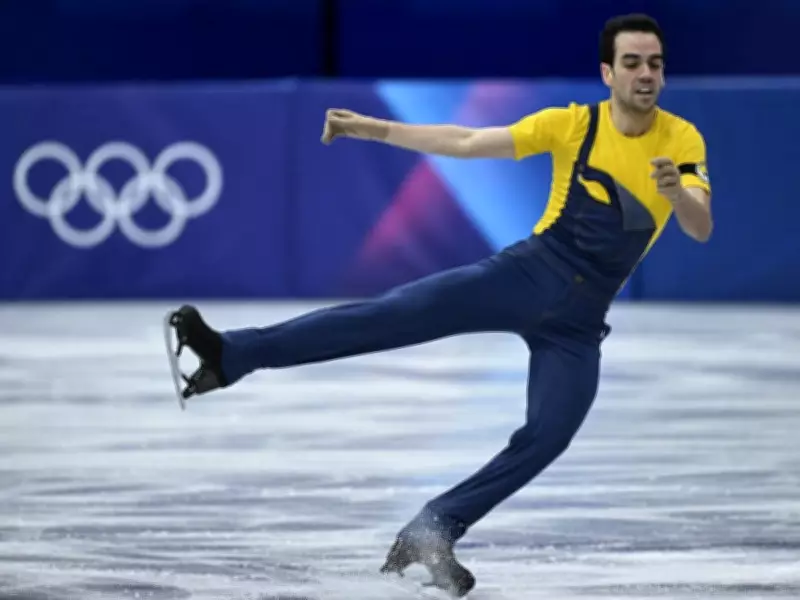
Spanish figure skater Tomas-Llorenc Guarino Sabaté faced a dramatic last-minute crisis at the Milano Cortina 2026 Winter Olympic Games when his short program was nearly canceled due to copyright permission issues with the Minions soundtrack he planned to use. The 26-year-old men's singles competitor experienced immense relief when he finally received necessary licenses just four days before his scheduled performance, allowing him to skate to his carefully choreographed routine.
The Copyright Permission Crisis
Sabaté's situation highlights a growing problem in competitive figure skating where athletes must navigate complex copyright regulations for their musical accompaniment. "When I did my post, I was certain I wouldn't perform the Minions program," Sabaté revealed, referring to an Instagram announcement he made about the copyright problems. The skater had planned to use four distinct musical pieces in his routine, including "Universal Fanfare" by The Minions, "Vicious Funk" by Héctor Pereira, "Freedom" by Pharrell Williams, and the "Minions Bounce" mix by Spanish DJ Juan Alcaraz.
Increasing Complexity of Music Licensing
According to Alberta Galasso, a business management professor at the University of Toronto's Rotman School of Management, the issue of obtaining permission to perform specific music on ice has become increasingly complicated in recent years. "There are a lot of different licenses required, and in some cases require multiple permissions by copyright holders," Galasso explained. "It's difficult also to track down all the owners of the copyright."

The professor noted that obtaining synchronization licenses requires identifying copyright owners and negotiating directly with them, with the process duration varying significantly depending on the specific music and associated rules. "In some situations, the copyright can claim that the music shouldn't be used in a particular sports event," Galasso added. "Sometimes with politics, an artist can say I don't want my music to be used in this particular political event."
Historical Context of Music Rules
The landscape of figure skating music changed significantly in 2014 when the International Skating Union (ISU) loosened restrictions on musical accompaniment for routines. Before this change, music choices tended toward older and more niche classical pieces. Following the rule modification, skaters began incorporating contemporary pop, rock, and top 40 artists into their performances, creating new copyright challenges.
Recent Examples of Copyright Conflicts
Sabaté's experience is not isolated. Artist Seb McKinnon, who produces music under the name CLANN, publicly objected on social media platform X to the use of his song "The Return" in American figure skater Amber Glenn's free skate performance. This incident occurred just days before Sabaté's copyright resolution, demonstrating that copyright concerns affect skaters from multiple nations competing at the highest levels.
The increasing frequency of such conflicts suggests that figure skating organizations, athletes, and copyright holders need to develop more streamlined processes for music licensing. As skaters continue to push creative boundaries with their musical selections, the tension between artistic expression and copyright compliance becomes more pronounced, potentially affecting performances at major international competitions like the Olympic Games.