Ilia Malinin Reflects on Olympic Pressure: 'Not Ready' for Spotlight Intensity
Four days after his Olympic gold medal dream ended in disappointment, U.S. figure skating sensation Ilia Malinin has candidly admitted he might not have been prepared for the overwhelming pressure and expectations of the Milano-Cortina Games.
The Weight of Expectations
"Honestly, it's not a pleasant feeling, is the most honest way to say it. So many eyes, so much attention. It really can get to you if you're not ready to fully embrace it," the 21-year-old phenom known as the 'Quad God' revealed during an appearance on NBC's TODAY Show.
Malinin, who entered the free skate competition in top position following an impressive short program, acknowledged that his inability to handle the intense spotlight may have contributed to his performance. "That may be one of the mistakes I made; I was not ready to handle that to the fullest extent," he confessed.

A Stunning Olympic Setback
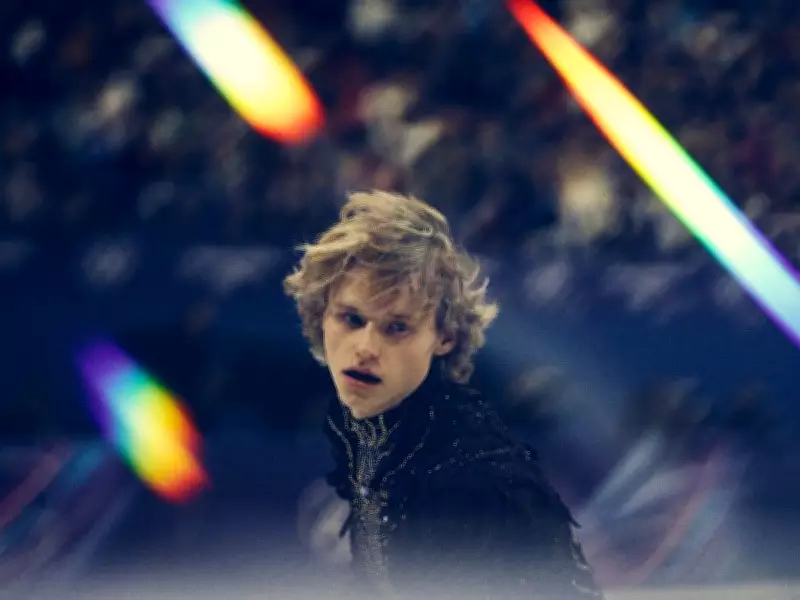
Despite being heavily favored to win gold after dominating the sport in recent years, Malinin's Olympic journey took an unexpected turn during the free skate event. The skater fell twice during his routine, ultimately earning a score of 264.49 and finishing in eighth place, while Kazakhstan's Mikhail Shaidorov claimed the gold medal.
"Stepping on the ice I definitely felt that amazing environment in that arena, just so much support, so much energy," Malinin recalled. "And, of course, it didn't go the way I wanted to, but you know, we can't look at that right now. All I have to do is just learn from my mistakes and push to see how I can improve in the future."
Mental Health and Social Media Impact
The aftermath of Malinin's performance revealed deeper struggles with mental health and the impact of social media pressure. Following the competition, the skater shared concerning posts on TikTok that alarmed fans about his well-being.
In one particularly poignant video shared on Sunday, Malinin juxtaposed celebratory moments on the ice with footage of himself holding his head in his hands after his Olympic falls. His caption offered a window into the psychological toll of elite competition: "On the world's biggest stage, those who appear the strongest may still be fighting invisible battles on the inside."
He continued with a powerful reflection on the pressures athletes face: "Even your happiest memories can end up tainted by the noise. Vile online hatred attacks the mind and fear lures it into the darkness, no matter how hard you try to stay sane through the endless insurmountable pressure."
A Message About Social Media's Role
According to The New York Times, Malinin's posts relate to a video he shared in January discussing social media's impact on mental health. "As a byproduct of social media hostility, self-doubt fills the human mind. Self-hatred fills the human mind," he wrote. "All elite athletes and artists under a spotlight experience this in some capacity, yet may be fearful to speak out. But this part of reality needs to be uncovered too."
The skater's recent video concluded with a black screen displaying the date February 21, 2026, suggesting he may be planning future content addressing these issues.
Looking Forward
Despite the disappointment, Malinin's Olympic experience isn't entirely without achievement. He will return to the United States with a gold medal from the Team Event, and he still has the exhibition gala scheduled for Saturday, February 21.
According to his agent, the reigning two-time world championship winner will attempt to secure a third consecutive world title next month in Prague, demonstrating his resilience and determination to bounce back from Olympic adversity.
Malinin's candid reflections highlight the often-unseen psychological challenges facing elite athletes in high-pressure environments, particularly in the age of social media scrutiny and global attention.