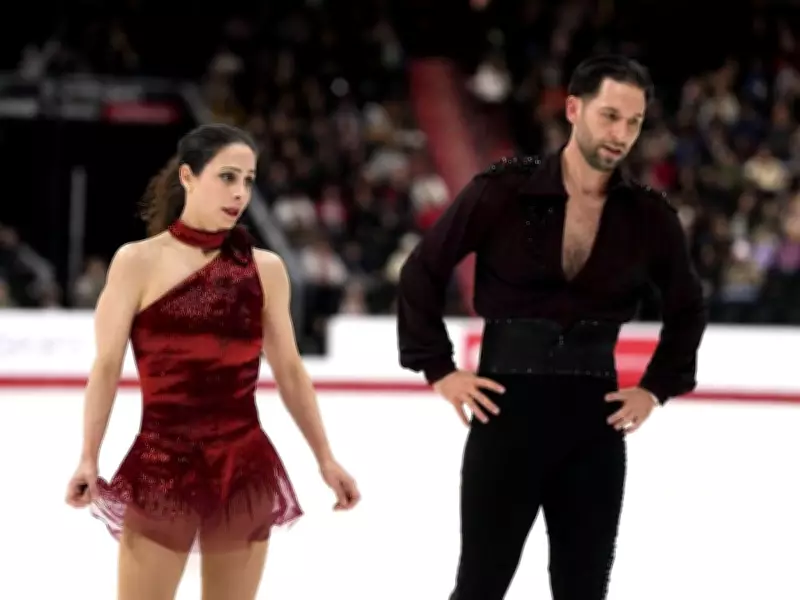
Canadian figure skater Deanna Stellato-Dudek has opened up about a distressing pre-Olympic injury that she described as a "living nightmare," forcing significant changes to her and partner Maxime Deschamps' routine for the Milan-Cortina Games.
Injury Details Remain Private
The 42-year-old athlete spoke to reporters on Friday, revealing that while she did not sustain a concussion from her fall during a training session just before departing for the Olympics, she chose not to disclose the specific nature of her injury. "I don't want to go into details about what happened," Stellato-Dudek stated, "but the past week has been an absolute living nightmare for me."
Routine Modification for Safety
As a direct result of this injury, Stellato-Dudek and Deschamps have confirmed they will be removing the assisted backflip from their pairs figure skating routine. This decision comes from a place of caution and concern for her ongoing health and recovery. "We just wanted to take out unnecessary risk," Stellato-Dudek explained, emphasizing the priority of her well-being over athletic spectacle.

The pair missed competing in the team event last week due to the injury, but they remain scheduled to participate in the pairs short program on Sunday. Their commitment to competing, albeit with a modified routine, demonstrates their determination to represent Canada despite the setback.
Olympic Preparation Disrupted
The timing of the injury—occurring just before departure for the Milan-Cortina Games—has created significant challenges for the skating duo. Training injuries are common in high-level sports, but the proximity to Olympic competition adds immense pressure and disruption to preparation routines.
Stellato-Dudek and Deschamps, who recently skated in the 2026 Canadian National Skating Championships in Gatineau, Quebec, now face the difficult task of adjusting their performance under Olympic pressure while managing recovery concerns.
The removal of the assisted backflip represents a strategic compromise between maintaining competitive elements and ensuring athlete safety, a balance that becomes particularly crucial when injuries occur during critical competition periods.