U.S. Figure Skating's 'Blade Angels' Redefine Olympic Role Models in Milan
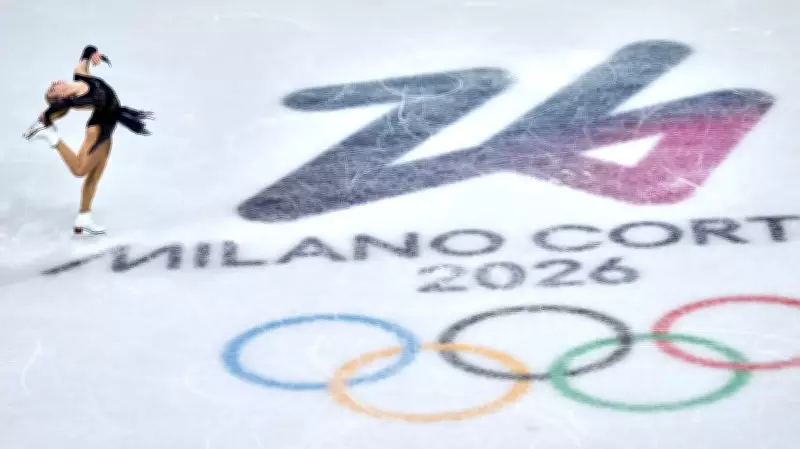
The trio of American women targeting Olympic figure skating gold on Tuesday night are far from the delicate ice princesses of past eras. They represent a bold, new generation of athletes who are reshaping the sport's image and inspiring fans worldwide.
A Diverse Trio with Unconventional Paths
Amber Glenn, a 26-year-old powerhouse and LGBTQ+ rights activist, has seen her career flourish at an age when many skaters consider retirement. The three-time reigning U.S. champion's candid opinions on everything from politics to trading card games have made her a polarizing yet compelling figure at the Milan Cortina Games.
Alysa Liu, the former prodigy who retired at 16 only to mount a stunning comeback, secured the first world title for an American woman in nearly two decades. With her distinctive blond-and-brunette striped hair, prominent frenulum piercing, and nonconformist aura, the 20-year-old has become an icon for alternative, punk, and emo communities.

Isabeau Levito, perhaps the closest resemblance to the innocent teen predecessors like Tara Lipinski and Sarah Hughes, reveals a sharp wit and biting sarcasm when away from the cameras. The 18-year-old skater maintains a polished public image while hiding a more complex personality beneath the surface.
The 'Blade Angels' Emerge
These athletes have playfully dubbed themselves the "Blade Angels," a clever homage to "Charlie's Angels" after rejecting suggestions like "Powerpuff Girls" and "Babes of Glory" due to potential trademark concerns. They represent America's last hope to salvage a disappointing Olympic performance in figure skating.
"I really like that we're all different," Levito explained. "We all have our own strengths and personalities, and our own ways we want to look and appear. While we share the same passion for the sport and have very aligned goals, our individuality makes us stronger as a team."
Amber Glenn: From Struggle to Strength
Growing up in Plano, Texas, with a police sergeant father and fitness instructor mother, Glenn has represented the United States internationally for nearly 15 years—the same age Lipinski was when she won Olympic gold. Despite her unabashedly American background, some critics questioned her allegiances when she spoke about the political climate for the LGBTQ+ community.
"I hope I can use my platform and voice throughout these Games to help people stay strong during these hard times," Glenn stated. "A lot of people will say, 'You're just an athlete. Stick to your job. Shut up about politics.' But politics affect us all."
Glenn's journey hasn't been easy. She has openly discussed battling an eating disorder, spending time in a mental health facility for depression, learning to cope with ADHD, and understanding her pansexual identity. "I've been through a lot," she told The Associated Press. "It's taken many, many years to get to this point."
Now an Olympic gold medalist from her Winter Games debut in the team event, Glenn reflects on her transformation: "I stepped away from the sport. I've come back. At one point, I hated it. But I've seen how the environment of figure skating has changed, and how we're trying to change it. We've created an environment I like to be in every day."
Alysa Liu: Rediscovering Passion
As the only member with previous Olympic experience, Liu had come to loathe figure skating by the time she finished sixth at the Beijing Games, leading to her retirement at 16. "I really hated skating when I quit," Liu admitted. "I didn't care about competitions. I didn't care about places. I just wanted to get away from it all."
Walking away allowed Liu to finally discover herself. She climbed to the base camp of Mt. Everest, checked items off her bucket list, and enrolled at UCLA to study psychology. "I learned so much. Met so many new people," she said. "I had to exercise my free will and push myself in different ways."
Her comeback began two years ago after a skiing trip reignited her adrenaline rush. Liu didn't anticipate winning a world title or returning to the Olympics, but she rediscovered her love for skating. Her distinctive hair stripes now represent tree growth rings—with three currently visible, and plans to add one each year.

"I used to feel like a puppet or a canvas that other people were using," Liu revealed. "Now I do things for myself."
Isabeau Levito: Behind the Image
Levito has always admired Russian skater Evgenia Medvedeva, seeking to emulate that "angelic energy." She describes her own style as "put together"—what she calls "the ice princess image," though she acknowledges it's somewhat "silly."
This image masks a more complex reality. While Levito projects purity—her mother immigrated from Milan, and her grandmother still lives in the host city—her private personality reveals a sarcastic, sometimes vulgar sense of humor. At the U.S. Figure Skating Championships, when asked about Liu's best quality, she quipped, "She keeps the hoes on their toes."
"I think it's so funny," Levito reflected. "The internet is like, 'Our Isabeau is not a baby anymore,' when they have no idea what you're actually like. I just don't want to say the wrong things in front of the media."
Like Glenn and Liu, Levito represents a relatable figure for many—someone who wears a public mask while navigating personal authenticity. Together, these three skaters are not just competing for medals; they're redefining what it means to be an Olympic figure skater in the modern era.