Will Bad Bunny Deliver Political Protest at Super Bowl Halftime Show?
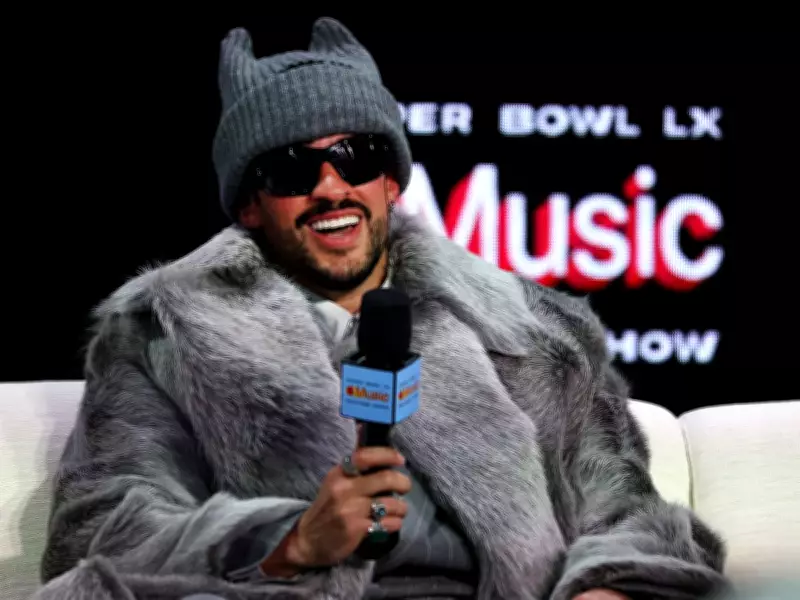
As the Super Bowl approaches this Sunday, all eyes are on Puerto Rican rapper Bad Bunny, whose selection as halftime headliner has sparked intense speculation about whether he will transform the spectacle into a platform for political protest. The artist, whose real name is Benito Antonio Martínez Ocasio, recently made headlines at the Grammy Awards by speaking out against ICE brutality in Minneapolis while accepting the Album of the Year award.
A History of Political Engagement
Bad Bunny has established himself as more than just a musical phenomenon. With four record-breaking years as Spotify's most-streamed artist (2020, 2021, 2022, and 2025) and the distinction of being the first non-English artist to achieve this feat, his cultural influence is undeniable. Beyond his musical achievements, he has consistently positioned himself as a left-leaning political voice, particularly critical of Trump-era immigration policies.
The timing of his Super Bowl appearance is particularly significant, coming just weeks after his Grammy protest and during an election year when immigration remains a contentious national issue. His selection represents the NFL's strategic effort to expand its Spanish-speaking audience, even as it risks alienating some conservative viewers.

The Super Bowl as Protest Platform
The Super Bowl halftime show has occasionally served as a venue for political statements, though typically within the constraints of the event's commercial nature. The most memorable such moment occurred in 2004 with Janet Jackson's performance, which the author describes as symbolically ushering in "the pornographication of American culture."
Bad Bunny brings a unique combination of elements to the stage: his Spanish-language lyrics, gender-fluid fashion sensibilities within the traditionally machismo rap culture, and even his occasional professional wrestling appearances. These factors make him an unconventional choice for the typically mainstream NFL showcase.
The question remains whether he will use this unprecedented platform to deliver what the author describes as "a full-throated protest song" that could disrupt what he calls "the fin-de-regime spectacle of the Super Bowl" and its "gambling-fuelled orgy of commercial excess."
Historical Precedents for Musical Protest
The article draws parallels to Bruce Springsteen, who performed at the Super Bowl more than fifteen years ago and recently released "The Streets of Minneapolis," a protest song addressing police violence and immigration issues. Springsteen's track directly references "King Trump's private army" and memorializes those who "have died in the streets of Minneapolis."
This follows Springsteen's earlier protest work, particularly "American Skin (41 Shots)," written more than twenty-five years ago about the police shooting of Amadou Diallo in New York. The song's refrain—"You can get killed just for living in your American skin"—resonates with current discussions about police brutality and immigration enforcement.
Political Reactions and Expectations
When Bad Bunny's selection was announced months ago, there was immediate criticism from Trump supporters who believed the NFL should have chosen a more politically aligned performer. The author sarcastically suggests they might have preferred "the Village People singing How Great Thou Art before a golden statue of the president."
Despite the NFL ownership's general sympathy toward Trump, according to the author, the league calculated that Bad Bunny's appeal to Latino audiences outweighed potential political backlash. Interestingly, the article notes that Trump won't be attending this year's Super Bowl, despite Bad Bunny's shared interest in professional wrestling—Trump's first sports love.
As Sunday approaches, the anticipation builds not just for a musical performance but for a potential cultural moment. Whether Bad Bunny chooses to deliver an overt protest or a more subtle political message, his halftime show represents a significant intersection of sports, music, and politics in contemporary American culture.