Olympic Biathlete's Personal Confession Overshadows Bronze Medal Performance
In a moment that shifted focus from athletic triumph to personal turmoil, Norwegian biathlon star Sturla Holm Laegreid made a startling admission during a post-race interview following his bronze medal win at the 2026 Winter Olympics. The 20-kilometer individual event in Anterselva, Italy, which should have been a celebration of sporting achievement, instead became the backdrop for a raw and emotional personal revelation.
A Victory Overshadowed by Personal Admission
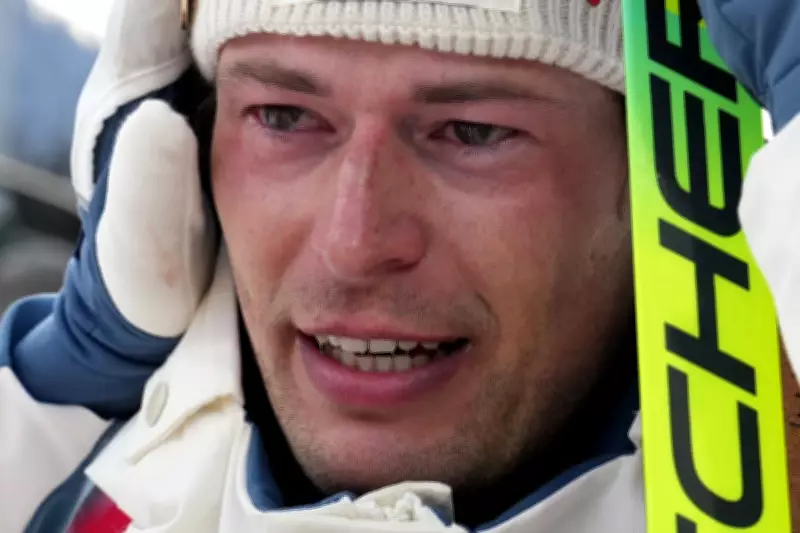
Laegreid, who secured third place in the demanding biathlon competition that combines cross-country skiing and rifle shooting, appeared visibly emotional as he addressed reporters. Rather than focusing solely on his athletic performance, the Norwegian athlete chose to publicly confess to cheating on his girlfriend, a decision that immediately captured international media attention.
The confession came during what is typically a routine post-competition interview, where athletes discuss their race strategy, physical condition, and future aspirations. Instead, Laegreid diverted from the expected script to address his personal life, creating an unprecedented moment in Olympic broadcasting history.

The Context of High-Pressure Competition
Biathlon represents one of the most psychologically demanding winter sports, requiring athletes to maintain exceptional focus while transitioning between intense physical exertion and precise marksmanship. The pressure of Olympic competition amplifies these challenges significantly, with athletes facing immense scrutiny from both media and fans worldwide.
Laegreid's decision to make such a personal confession in this high-stakes environment raises questions about the psychological toll of elite athletic competition and the blurred boundaries between public and private life for Olympic athletes. The incident highlights how personal struggles can intersect with professional achievements at the highest levels of sport.
Reactions and Implications for Athlete Mental Health
Sports psychologists and media analysts are now examining the broader implications of Laegreid's confession. Some experts suggest that the intense pressure of Olympic competition may have contributed to his decision to address personal matters publicly, while others view it as part of a growing trend of athletes being more transparent about their personal lives.
The incident also raises important questions about media ethics in sports journalism and the appropriate boundaries for post-competition interviews. While athletes traditionally maintain a separation between their professional and personal lives, Laegreid's confession demonstrates how these boundaries can sometimes dissolve under the intense spotlight of Olympic competition.
The Future for the Norwegian Biathlete
As Laegreid processes both his Olympic achievement and the personal consequences of his confession, the biathlon community watches with mixed reactions. Some commend his honesty and vulnerability, while others question the timing and venue for such a personal revelation.
The incident serves as a reminder that Olympic athletes, despite their extraordinary physical abilities and competitive focus, navigate complex personal lives alongside their sporting careers. Laegreid's bronze medal performance will now be remembered not only for his athletic excellence but also for the unexpected personal confession that followed his podium finish.