Team Canada's Olympic Hockey Selection Strategy Under Fire After Decisive Loss to USA
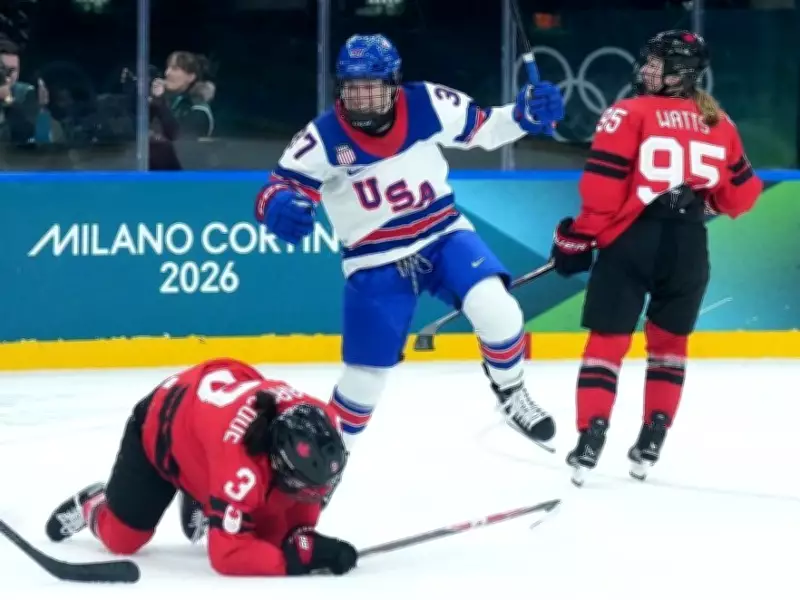
The 2026 Milano Cortina Winter Olympics witnessed a stunning development in women's hockey as Team Canada suffered a comprehensive 5-0 defeat against their arch-rivals, Team USA. This result has sparked intense debate about roster selection strategies and the future of Canadian women's hockey at the international level.
A Statistical Domination That Tells a Story
The game statistics reveal the extent of American dominance on the ice. Team USA generated twenty Grade A scoring opportunities compared to just two for Canada. Even more telling was the breakdown of the most dangerous scoring chances, with the Americans creating eight 5-alarm shots while Canada failed to register even one. This statistical disparity highlights a performance gap that extended beyond the final score.
For years, experts had predicted that Olympic women's hockey would become a two-team competition between Canada and the United States. The recent result suggests a concerning shift, with the Americans establishing clear superiority in this latest chapter of the storied rivalry.

Questionable Roster Decisions Come Under Scrutiny
While Canada has historically dominated women's Olympic hockey, winning five of seven gold medals since the sport's introduction in 1990, this latest performance raises serious questions about current selection processes. Analysis suggests that Team USA executed a more effective strategy in identifying and selecting their most talented players for the Olympic roster.
Evidence indicates that Canada may have left five or six deserving players off their Olympic team who could have significantly impacted the game's outcome. In contrast, American selectors appear to have included all their top performers without notable omissions.
The Youth Factor in Team Selection
A critical difference between the two teams emerged in their approach to incorporating young talent. Team USA selected six highly-skilled college players for their Olympic roster, while Canada failed to include even one such emerging talent. The statistical impact of this decision became evident during the game, as all five American goals were scored by players aged 24 years or younger.
Canada's youngest position player, Jenn Gardiner at 24 years old, found herself competing against eight American position players who were younger than her. This age disparity suggests different philosophical approaches to team building that may have contributed to the lopsided result.
Professional League Performance Versus Olympic Selection
When examining top performers in the Professional Women's Hockey League, the world's premier women's hockey competition, Canada actually maintains a slight advantage. Among the top ten scoring forwards in the PWHL, Canada boasts five players compared to four for the United States.
However, selection decisions raised eyebrows when Canada omitted Rebecca Leslie, their third-highest scorer and the PWHL's sixth-leading point producer. The team also left home Jessie Eldridge, Canada's sixth-highest scorer who ranks fourteenth overall in league scoring. These omissions represent significant offensive firepower that remained unavailable during the crucial Olympic matchup.
The selection philosophy appears to have favored different criteria between the two nations. Elite scoring forwards and defenders from the PWHL found greater representation on the American roster than on Team Canada's Olympic squad, creating a talent disparity that manifested clearly during competition.
Looking Forward After a Difficult Result
While the 5-0 loss represents a significant setback for Canadian women's hockey, it also provides valuable data for future team building. The gap between the two nations may not be as substantial as this single result suggests, but the selection process clearly requires reevaluation.
As women's hockey continues to evolve with the establishment of professional leagues and expanded development pathways, Olympic selection committees face increasingly complex decisions. Balancing proven veterans with emerging talent, professional performance with international experience, and offensive production with defensive responsibility represents the ongoing challenge for national team programs.

The 2026 Olympic result serves as a stark reminder that in elite international competition, roster construction can be as important as on-ice execution. For Team Canada, the path forward involves not just developing players, but also refining the selection processes that determine which athletes represent the nation on hockey's biggest stage.