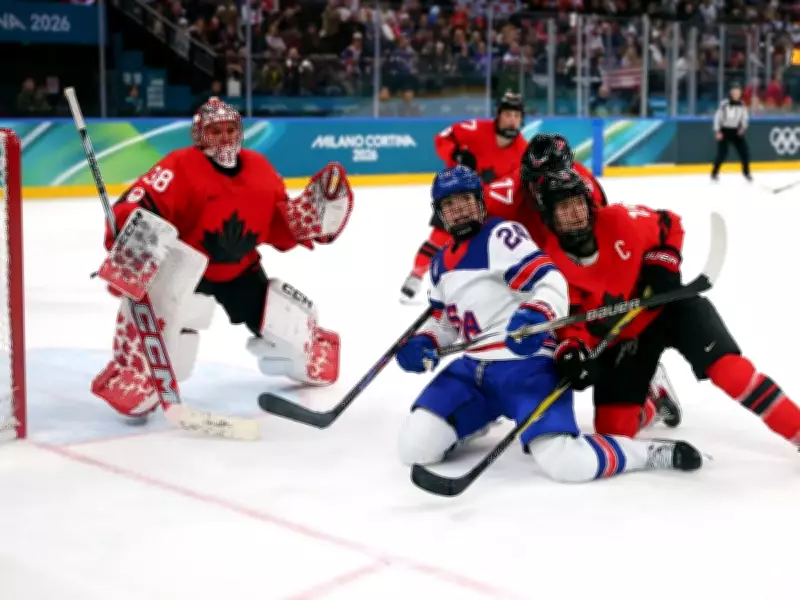
Canadian Women's Hockey Faces Crisis After Historic Olympic Loss to U.S.
MILAN — The Canadian women's hockey team suffered its most devastating Olympic defeat in history on Tuesday night, falling 5-0 to their archrivals from the United States. This humiliating loss has raised urgent questions about the team's leadership, confidence, and future competitiveness on the international stage.
A Troubling Display of Resignation
What concerned Team Canada coach Troy Ryan most wasn't just the scoreline, but what he witnessed on the bench during the merciless drubbing. "When I looked down our beleaguered bench, I saw resignation," Ryan revealed. "Where was the leadership? Where was the belief? And where was the resolve to compete in one of hockey's greatest rivalries?"
For a Canadian program built on confidence and leadership, this display of defeatism represented an alarming departure from tradition. The players' reaction—dropping shoulders and hanging heads—was particularly troubling to a coach who has no tolerance for such attitudes during the Olympic Games.

Anatomy of a Mismatch
The game itself revealed multiple systemic problems for the Canadian side:
- Countless icings and offsides demonstrated sloppy, jittery puck handling
- Normally reliable goaltender Ann-Renée Desbiens was overwhelmed by American offensive pressure
- Ten minor penalties showed a lack of discipline, despite Canadian complaints about embellishment
- Miscommunication and misplays made Canada appear amateurish against a superior opponent
"We looked like we didn't have a ton of confidence in our decision-making or the plays that we made," Ryan admitted. "You can't do that against a team as good and as skilled as the U.S."
Immediate and Long-Term Challenges
Now begins the difficult process of recovery, both for the remainder of the Olympic tournament and for the future of Canadian women's hockey. How the team responds in Thursday's final Group A match against Finland will reveal much about this veteran group's character and resilience.
Beyond the immediate tournament, this loss brings into sharp focus the broader challenges facing Hockey Canada's women's program. While overreacting to a single defeat might seem excessive, the signs of American dominance have been building beneath the surface for some time.
The speed, skill, and tempo displayed by the American team represented a significant upgrade from Canada's earlier Olympic performances. The question now becomes whether this historic loss represents a temporary setback or the beginning of a troubling trend in the sport's most important international rivalry.
"There's just no time for dropping the shoulders and hanging your head," Ryan emphasized. "You're at the Olympic Games. You've got other games to play. You either have success in those games or you've got to learn."
The coming days will determine whether Canada's women's hockey program can rediscover the confidence and competitive fire that has traditionally defined it, or whether this historic defeat signals deeper problems requiring fundamental changes.