Canucks Analysis: Power Play Woes, Draft Picks, and Free Agency Outlook
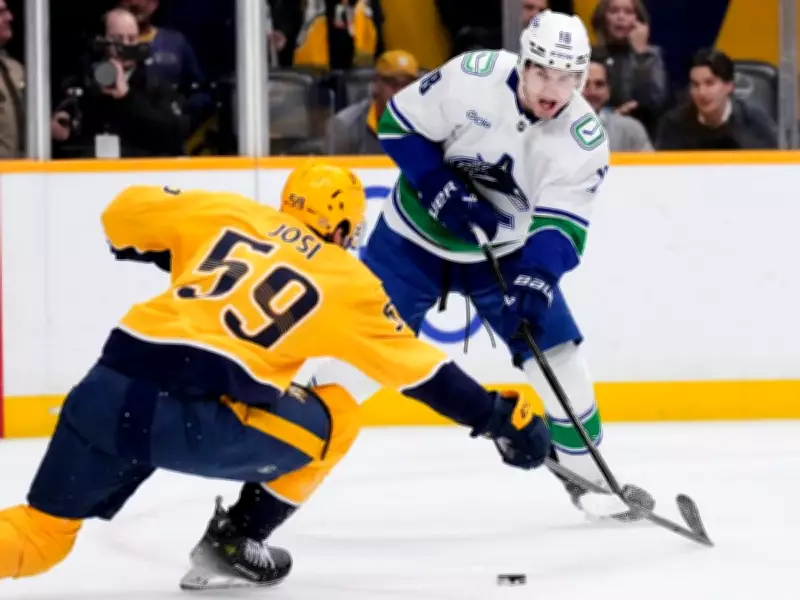
As the Vancouver Canucks face off against the Nashville Predators at Rogers Arena, the focus shifts from ticket prices to on-ice performance. With tickets available for as low as $40, it's an opportune moment for visiting team fans in Vancouver to catch a game.
Power Play Problems Persist
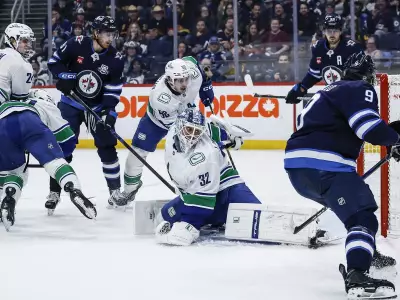
The Canucks' power play has become a significant concern, failing to capitalize on opportunities. During a recent game against the Ottawa Senators, Vancouver had two third-period man-advantages but failed to register a single shot, ultimately losing 2-0. The team has been shut out on the power play in 12 of their last 17 games, with two of those games featuring no power play chances at all.
Key issues include:
- Struggles with zone entries
- Excessive perimeter passing
- Ineffective puck movement back to the point
With the team firmly positioned in the league basement, fans aren't necessarily hoping for losses to improve draft position, but rather looking for signs of development from young players during power play situations.
Draft Pick Analysis and Trade Regrets
The Canucks' future rests heavily on their draft capital, with two first-round picks (one guaranteed top-three selection) and two second-round picks this year, plus additional picks in the following season. The Athletic recently analyzed 12 trades involving first-round picks, ranking them by level of regret.
Minnesota Wild Trade: The pick acquired from Minnesota ranked as the least regrettable trade. Minnesota traded this pick along with Zeev Buium, Marco Rossi, and prospect Liam Ohgren to Vancouver for Quinn Hughes. Despite Hughes' continued excellence in Minnesota, the trade received a regret rating of 0/100, with analysts noting that a mid-to-late 20s pick for one of the league's top defensemen represents reasonable value.
Toronto Maple Leafs Trade: In contrast, Toronto's trade of their first-round pick to Boston ranked as the second-most regrettable move. The Leafs sent this pick, a 2025 fourth-rounder, and Fraser Minten to the Bruins for Brandon Carlo at last year's deadline. With the pick likely to be a top-10 selection (protected only for top-five), the trade received a 95/100 regret rating, potentially impacting Toronto's front office decisions.
Free Agency Landscape for 2026
With the trade deadline passed, attention turns to the upcoming free agent market. The 2026 class isn't considered particularly deep, which might benefit Vancouver given their mixed track record with free agent signings. The salary cap is projected to increase from $95.5 million to $104 million, potentially reshaping the market.
Top Free Agent: Alex Tuch of the Buffalo Sabres leads the rankings. The 30-year-old right wing has expressed interest in staying with Buffalo, especially as the Sabres have surged to first place in their division after a remarkable 29-5-2 run over their last 36 games. Tuch's potential asking price could reach $10-11 million annually, presenting a significant decision for Buffalo's management.
The free agent pool features several aging goaltenders and veteran stars like Alex Ovechkin and Evgeni Malkin, who are unlikely to reach the open market. This creates a challenging landscape for teams like Vancouver looking to bolster their roster through free agency.
Looking Ahead
As the Canucks continue their season, fans should monitor several key areas:
- Power play development and young player performance
- Strategic use of draft capital for rebuilding
- Potential free agent targets for the 2026 offseason
While the current season presents challenges, the combination of high draft picks and careful roster management could position Vancouver for future success. The team's approach to developing their power play units and making strategic decisions with their draft assets will be crucial in determining the pace of their rebuild.