Canucks' Thatcher Demko's Injury Mystery Persists as Specialists Investigate
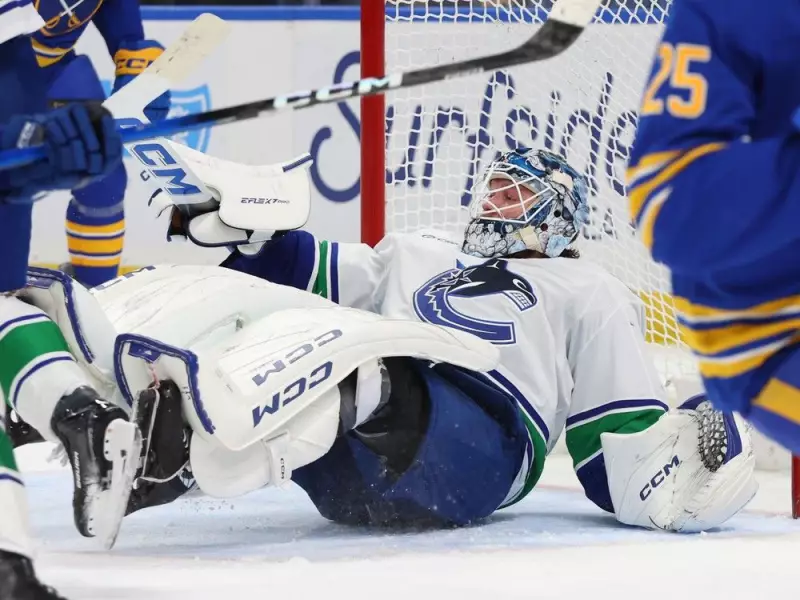
The Vancouver Canucks face mounting uncertainty surrounding starting goaltender Thatcher Demko's health, as medical specialists continue to evaluate his persistent injury issues. The 6-foot-4 netminder, who signed a three-year, US$25.5 million extension last July, has been sidelined repeatedly with various ailments that have frustrated both the player and the organization.
Ongoing Medical Evaluation
Demko's latest setback occurred during a January 10th game against Toronto, where he allowed three goals on just six shots before exiting with an apparent injury. Since that concerning performance, the goaltender has been consulting multiple specialists to determine the exact nature of his physical problems and develop a comprehensive rehabilitation plan.
"He's getting further evaluated and getting some testing done," Canucks general manager Patrik Allvin revealed on January 19th. "They're going through taking opinions from other resources around the world to see where his status is and what needs to be done or not."

The medical team faces a complex diagnostic challenge, as Demko's condition could stem from a single issue or represent a combination of complications. This uncertainty has delayed his return timeline and raised questions about his long-term durability.
Historical Injury Patterns
Demko's injury struggles are not new. Last April, he suffered a rare popliteus muscle injury behind his knee that supports the butterfly position, causing lingering rehabilitation problems that kept him sidelined until December. This season began promisingly, with Demko stopping 51 of 54 shots in his first two outings, including an impressive 34-save performance against Edmonton on October 11th.
However, the pattern of setbacks continued on November 11th when Demko exited a game against Winnipeg after allowing three goals on eight shots, later revealed to be a groin injury. He had missed the previous three games specifically to ensure proper rest and recovery, highlighting the delicate balance modern goaltenders must maintain.
The Physical Toll on Modern Goaltenders
Former Canucks goaltender Kirk McLean, who underwent four knee operations during his career, offered perspective on the unique physical demands facing today's NHL stoppers. McLean noted that while rehabilitation might make joints feel improved during practice, game situations present entirely different challenges with quicker movements and physical contact.
"With the height that goalies are now, they're like basketball players, and they're not meant to be doing what they're doing," McLean suggested, highlighting how the increasing size of goaltenders creates additional strain. "A 6-foot-7 or 6-foot-8 goalie in the butterfly moving laterally, back and forth and in and out, and pushing off with the hips, it's pretty tough."
McLean expressed particular concern about younger goaltenders developing injury patterns early in their careers, noting stories of 16-year-olds undergoing hip operations either for injury treatment or preventive measures. The accelerated development path for elite goaltenders may be contributing to long-term physical consequences.
Team Impact and Roster Adjustments
Demko's extended absence has placed additional pressure on backup Kevin Lankinen and provided an unexpected opportunity for undrafted prospect Nikita Tolopilo to gain NHL experience. The goaltending uncertainty comes at a challenging time for the Canucks, who also recently placed forwards Brock Boeser and Zeev Buium on injured reserve following a January 25th game against Pittsburgh.
The team has recalled Jonathan Lekkerimaki and Victor Mancini from their AHL affiliate in Abbotsford to address these additional roster vacancies. These developments underscore how injury management has become a critical component of team success in today's NHL.
Looking Forward
As specialists continue their evaluation of Demko's condition, the Canucks organization faces difficult decisions about his recovery timeline and potential adjustments to his training regimen. The situation highlights broader questions about how NHL teams can better protect their goaltenders from the cumulative physical toll of the position.

The coming weeks will reveal whether Demko's latest injury represents another temporary setback or signals more significant long-term concerns about his ability to withstand the demands of modern goaltending. For now, the Canucks and their fans await definitive answers from the medical experts consulting on this perplexing case.