Canucks' Competent Trade Deadline Sets Stage for Crucial Rebuild Phase
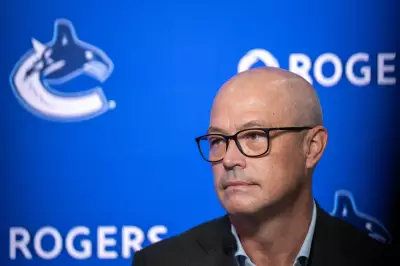
At the start of this season, it was widely regarded as a make-or-break period for the Vancouver Canucks' management team. The expectation was clear: secure a playoff berth or face significant consequences. However, as the season unfolded, the Canucks fell short of postseason contention, yet heads have not rolled. Instead, General Manager Patrik Allvin and President of Hockey Operations Jim Rutherford have persuaded ownership to embark on a rebuild—a direction long considered improbable for the franchise.
Rebuild Underway with Strategic Moves
The rebuild is now firmly in motion, with Allvin and Rutherford openly embracing this path after years of hesitation. Their work during the recent trade deadline was commendable. They moved veteran players like Tyler Myers, Conor Garland, David Kampf, and Lukas Reichel, who had no future role in a rebuilt team, acquiring draft picks not only for this year but for upcoming drafts as well. This strategy aligns with the understanding that having multiple prospects is essential, as many fail to pan out, and extra picks can be leveraged if the rebuild progresses faster than anticipated.
Setting the Table for Future Success

In essence, the Canucks have laid a solid foundation, but the real challenge lies ahead: executing the rebuild effectively. This requires a critical assessment of management's past decisions. The current mess is largely self-inflicted, with issues such as Elias Pettersson's struggles as a potential No. 1 center, Quinn Hughes' accelerated departure due to team turmoil, and questionable contract extensions for players like J.T. Miller and veteran goalies. For instance, Kevin Lankinen's deal appears overpriced compared to peers like Charlie Lindgren.
Learning from Past Mistakes and External Examples
While the deadline moves were executed well, including earlier deals for Kiefer Sherwood and Hughes, management has faltered in other areas. A notable misstep was using a pick acquired for Vasily Podkolzin to obtain Evander Kane, who proved valueless at the deadline and left the team stuck without extracting additional value from Edmonton. In contrast, consider Kyle Dubas with the Pittsburgh Penguins. Inheriting a struggling team with few prospects and no first-round pick in 2024, Dubas turned things around by hitting a home run with Ben Kindel in the 2025 draft and acquiring extra second-round picks through savvy trades, such as moving Tristan Jarry and Brett Kulak to capitalize on other teams' cap issues.
Key Lessons for the Canucks
- Hit home runs in the draft to secure top talent.
- Manage the roster smartly by making incremental gains and avoiding costly sideshows.
- Exercise patience throughout the rebuilding process.
The success of this rebuild hinges on whether management can demonstrate these capabilities and if ownership will grant the necessary patience. As the Canucks move forward, the focus must remain on steady, strategic progress to climb out of the hole they've dug themselves.