German Soccer Official Advocates for World Cup Boycott Consideration Over Trump Award
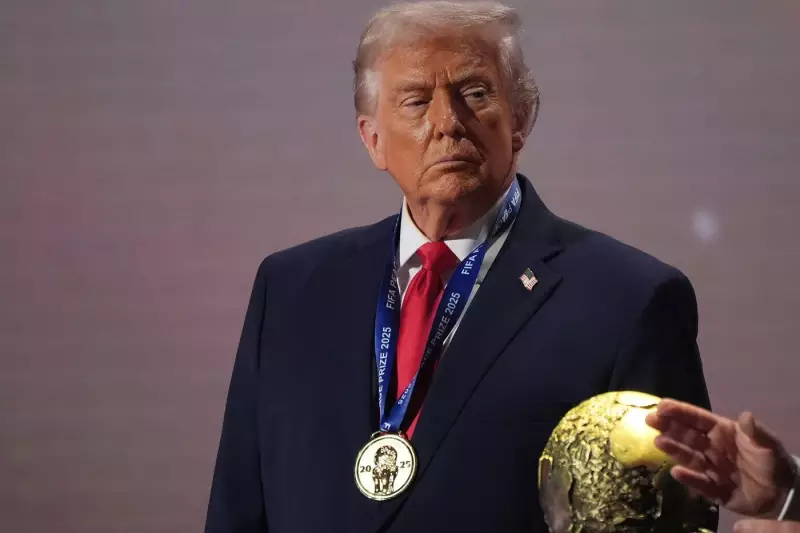
A high-ranking official within the German soccer federation has publicly suggested that a boycott of the upcoming 2026 FIFA World Cup should be seriously considered. This dramatic proposal comes as a direct response to former U.S. President Donald Trump being awarded the FIFA Peace Prize in late 2025.
The Controversial FIFA Ceremony
The call for action stems from an event held at the Kennedy Center in Washington on December 5, 2025. During the official draw ceremony for the 2026 soccer World Cup, Donald Trump was presented with the FIFA Peace Prize, an honor that has sparked significant international debate and criticism within the global sports community.
The German official, whose identity has not been fully disclosed in initial reports, expressed deep concern over the politicization of the world's most prestigious soccer tournament. The award to Trump, a figure known for his divisive political rhetoric and policies, is viewed by many in European soccer circles as incompatible with the spirit of international sportsmanship that FIFA claims to promote.

Growing International Discontent
This development highlights a growing rift between certain national soccer associations and FIFA's leadership decisions. The German federation, known for its influential role in European and world soccer, has historically taken strong stances on ethical issues within the sport.
The proposal to consider a boycott represents one of the most serious challenges to FIFA's authority in recent years, potentially threatening the participation of one of soccer's traditional powerhouses in the first World Cup to be hosted across three nations: Canada, the United States, and Mexico.
Potential Ramifications for 2026 Tournament
The 2026 World Cup is already poised to be a landmark event as the first to feature 48 teams. A boycott by Germany, a four-time World Cup champion and consistent contender, would represent a significant blow to the tournament's prestige and competitive integrity.
Other national federations are now watching closely to see if this German initiative gains traction within the international soccer community. The coming weeks may reveal whether this remains an isolated protest or evolves into a broader movement challenging FIFA's recent decisions.
The controversy underscores the ongoing tension between global sports governance and political considerations, raising fundamental questions about the appropriate relationship between international athletic competitions and divisive political figures.