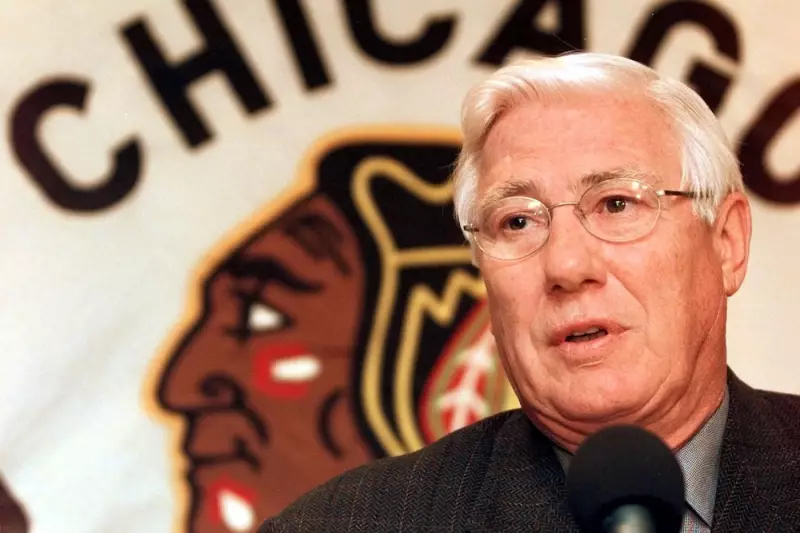
The hockey world is mourning the loss of a true legend. Bob Pulford, a key member of the Toronto Maple Leafs' Stanley Cup dynasty in the 1960s and a longtime executive with the Chicago Blackhawks, has died. He was 89 years old.
A Championship Career on the Ice
Bob Pulford's playing career is etched in NHL history. As a tenacious and skilled forward, he was an integral part of the Toronto Maple Leafs teams that won the Stanley Cup in 1962, 1963, 1964, and 1967. His contributions during that golden era for the franchise cemented his place as a beloved figure in Canadian sports. Pulford played over 1,000 games in the NHL, amassing 643 points, and was known for his defensive prowess and leadership on the ice.
Transition to a Front Office Legacy
After retiring as a player, Pulford seamlessly transitioned into management, where he built a second, highly influential career. He spent decades with the Chicago Blackhawks organization, serving in various executive roles including general manager and senior vice president. His tenure saw the Blackhawks build competitive teams and navigate the complexities of the modern NHL. Pulford's deep understanding of the game, honed from his playing days, made him a respected figure in front offices across the league.

A Lasting Impact on Hockey
The news of Pulford's passing resonates deeply in both Toronto and Chicago, two cities where he left an indelible mark. In Toronto, he is remembered as a champion who helped deliver the city's last Stanley Cup titles. In Chicago, he is revered as a stabilizing force and a key architect behind the scenes for one of the league's Original Six franchises. His career spanned the evolution of the sport, from the six-team era to the expansive modern league, and his contributions were felt at every level.
Bob Pulford's legacy is one of excellence, longevity, and a profound love for hockey. He is survived by a legacy of championships as a player and a reputation for shrewd management that helped shape the NHL for generations. The hockey community has lost a bridge between its storied past and its present.