Iran Pursues Venue Change for 2026 World Cup Matches
In a significant development ahead of the 2026 FIFA World Cup, Iran has initiated negotiations to relocate its scheduled matches from the United States to Mexico. This move comes amid ongoing geopolitical tensions and logistical concerns, though FIFA has firmly stated its commitment to maintaining the current tournament schedule without alterations.
Diplomatic Efforts and Sporting Implications
The Iranian national soccer team, which recently qualified for the global tournament after a successful Asian qualifying campaign, is seeking this venue change through diplomatic channels. According to statements from Iran's embassy in Mexico, discussions are underway with FIFA officials to explore the feasibility of shifting matches across the border. This potential relocation would affect multiple group-stage games originally slated for U.S. venues, raising questions about travel arrangements for teams, officials, and fans.
FIFA remains resolute in its position, emphasizing that the meticulously planned schedule for the 2026 World Cup—co-hosted by the United States, Canada, and Mexico—will proceed as announced. The governing body cites the complexity of international event coordination and the need for stability in planning as primary reasons for resisting changes. This stance highlights the challenges of balancing sporting integrity with geopolitical realities in global competitions.
Historical Context and Current Climate
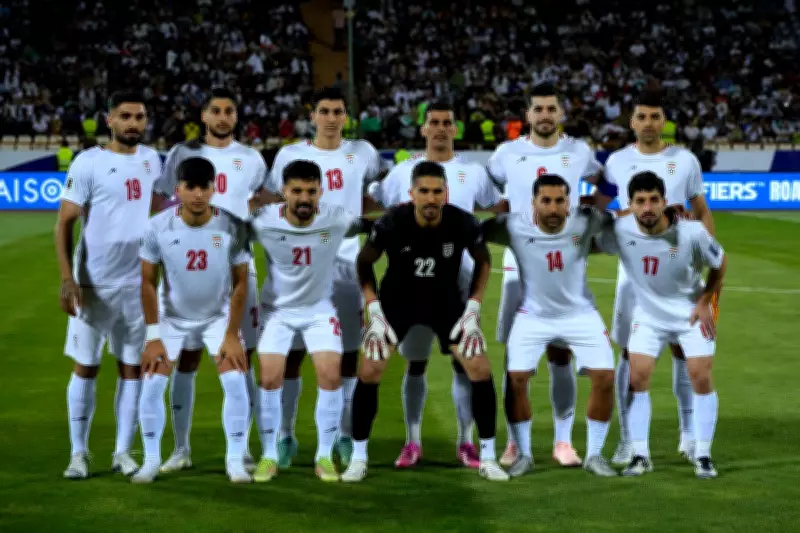
Iran's pursuit of a venue change is not without precedent in international sports, where political tensions have occasionally influenced logistical decisions. The 2026 World Cup marks the first edition to feature 48 teams, expanding the tournament's scale and increasing the potential for such diplomatic considerations. Iran's qualification, demonstrated in a match against North Korea at Tehran's Azadi Stadium in June 2025, underscores the team's competitive readiness despite off-field uncertainties.
The timing of these negotiations coincides with broader international concerns, including calls from Canadian Foreign Affairs Minister Mélanie Joly for the "non-weaponization" of strategic waterways like the Strait of Hormuz. While not directly linked, these diplomatic efforts reflect the interconnected nature of global sports and politics, where events like the World Cup can become focal points for broader discussions.
Impact on Teams and Tournament Logistics
If successful, Iran's request could have ripple effects on:
- Travel and accommodation plans for the Iranian squad and supporting staff.
- Ticket sales and fan experiences, potentially requiring adjustments for spectators.
- Broadcasting schedules, as networks may need to adapt to new venues and time zones.
- Security protocols, given the heightened sensitivities surrounding international events.
FIFA's adherence to the original schedule suggests confidence in existing security measures and operational frameworks, but the situation remains fluid as negotiations continue. The outcome could set a precedent for how sporting bodies address similar requests in future tournaments, particularly in an era of increasing geopolitical complexity.
Looking Ahead to the 2026 World Cup
As preparations intensify for the 2026 World Cup, the spotlight on Iran's negotiations underscores the delicate balance between sport and diplomacy. With the tournament still two years away, there is time for resolution, but the impasse highlights the ongoing challenges of hosting mega-events in a multipolar world. Fans and analysts alike will be watching closely to see whether FIFA maintains its rigid schedule or accommodates Iran's appeals, a decision that could influence not only this tournament but the future of international soccer governance.