Iranian Women's Football Player Withdraws Asylum Application in Australia
A prominent member of Iran's women's national football team has made a significant reversal, withdrawing her application for political asylum in Australia. The decision follows the team's participation in the Women's Asian Cup tournament held in Robina, Australia, earlier this month.
Context of the Initial Asylum Request
The player, whose identity remains protected, had initially sought refuge in Australia citing concerns over Iran's restrictive policies toward female athletes. Her application was part of a broader pattern where Iranian athletes have sought asylum abroad due to political and social pressures in their home country.
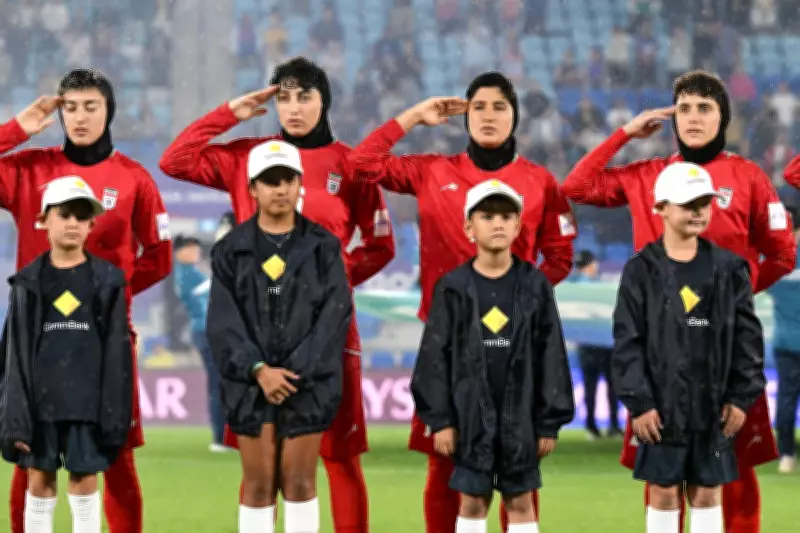
The reversal comes just days after Iran's women's team played against the Philippines in a group stage match on March 8, 2026. During that event, players were observed saluting during the Iranian national anthem, a gesture that has drawn international attention amid ongoing tensions.
Broader Implications for Iranian Sports
This development occurs against a backdrop of increasing scrutiny of Iran's sports governance. Recently, Iran's sports minister announced that the country cannot participate in the upcoming FIFA World Cup due to international sanctions and diplomatic isolation.
The player's change of heart highlights the complex personal calculations athletes must make when balancing career opportunities with political realities. While Australia had previously granted asylum to two other members of the Iranian women's soccer team, this reversal suggests that not all athletes view permanent relocation as their only option.
International Reaction and Future Prospects
The Australian government has not commented publicly on the individual case, maintaining its standard protocol regarding asylum applications. However, sports analysts note that such decisions often reflect the difficult choices faced by athletes from nations with strained international relations.
Looking ahead, the Iranian women's football program continues to navigate challenges both on and off the field. The team's performance in international competitions remains closely watched, not just for athletic achievement but for what it reveals about the evolving role of women in Iranian society.
This story underscores how sports and politics remain deeply intertwined, particularly for athletes representing nations experiencing diplomatic tensions. The player's decision to withdraw her asylum application adds another layer to the ongoing narrative about Iranian athletes' experiences abroad.