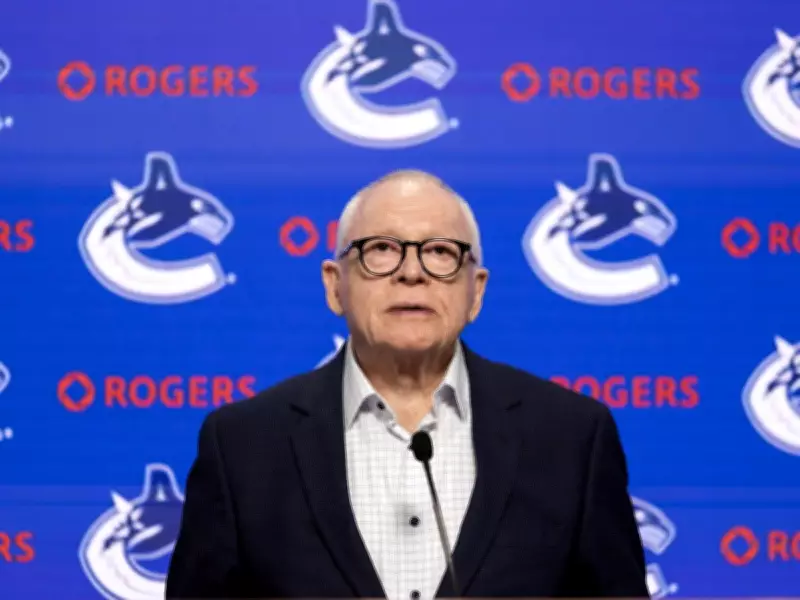
Jim Rutherford Assumes Direct Control of Vancouver Canucks Operations
In a significant development for the Vancouver Canucks, president of hockey operations Jim Rutherford has taken a more hands-on approach to team management. This shift comes as the organization faces mounting challenges following a disappointing season that saw the team finish with the worst home record in franchise history.
From Senior Statesman to Active Leader
Rutherford, who initially intended to serve as a guiding senior statesman when he joined the Canucks, has dramatically changed his approach. Last fall, he personally took charge of the Quinn Hughes trade negotiations, a move that marked a departure from his previous delegation-focused management style in Vancouver.
"Rather than drive off into the sunset with his team coming off a second-round playoff exit, he stuck around in 2024," the situation has evolved significantly. Two years later, Rutherford finds himself navigating what many are calling a necessary rebuild for the struggling franchise.

Organizational Challenges and Ownership Questions
The Canucks face substantial organizational issues that extend beyond on-ice performance. A recent poll conducted by The Athletic revealed that NHL agents ranked Vancouver as the worst organization in the league. One agent commented that "they really don't have the infrastructure that the players need to remove excuses."
This raises critical questions about ownership's commitment and vision:
- Do the Aquilini family have a clear, coherent plan for the team?
- Is there genuine commitment to building organizational infrastructure?
- How will ownership address declining season-ticket holder satisfaction?
"If they want to be the best, they need to operate as such," emphasizes the need for fundamental changes in how the organization functions at every level.
Player Management and Communication Issues
The Canucks have faced criticism for their handling of player situations, particularly regarding injury communications. The case of defenseman Derek Forbort highlights these concerns. Forbort revealed he had been playing through a labrum tear that eventually required surgery, yet the team's public communications remained vague throughout the season, listing him as day-to-day, then week-to-week, before placing him on long-term injured reserve without explanation.
Meanwhile, veteran players present both opportunities and challenges for the organization:
- Brock Boeser has emerged as a potential leadership candidate, with his articulate and considered responses to media questions standing out among veterans.
- Evander Kane's tenure proved enigmatic, with the forward making contributions on ice while his off-ice presence remained difficult to define.
The Path Forward: Rebuild and Restructure
With the word "rebuild" now dominating conversations about the Canucks' future, Rutherford faces the complex task of steering the organization toward sustainable success. This involves not just player personnel decisions but addressing deeper structural issues that have hampered the franchise.
The quality of results, as noted in organizational analysis, "are determined by the quality of your questions" and the ability to recognize knowledge gaps. For the Canucks, bridging these gaps may require bringing in external expertise rather than attempting to solve all problems internally.
As Rutherford puts his hands firmly on the wheel, the coming months will reveal whether this more direct leadership approach can navigate the Canucks through their current challenges and toward a more promising future.