Maccabi Tel Aviv's Emotional Return Home After Two Seasons in Exile
In Jewish tradition, the story of Judah and the Maccabees represents more than just military victory. It symbolizes the profound return to home and the restoration of ordinary life rhythms after disruption. This narrative found a modern parallel recently as one of Israel's premier basketball teams completed its own journey back to familiar ground.
The Long Road Back to Tel Aviv
For nearly two full seasons, Maccabi Tel Aviv, one of Israel's two EuroLeague professional basketball teams, experienced its own version of exile. Following the events of October 7, 2023, EuroLeague games involving Israeli teams were relocated to Belgrade, Serbia. While Serbian hosts provided warm hospitality, the geographical distance created an emotional chasm between the team and its passionate supporters.
The bond between Maccabi Tel Aviv and its fans represents one of the most emotionally charged connections in international sports. During the Belgrade period, this vital relationship was interrupted, with players competing while Israeli supporters watched from thousands of miles away. Something essential was missing from the experience.

When the EuroLeague finally voted in October 2025 to permit the team's return to Israel, the emotional response was immediate and profound. Many longtime fans wept openly with joy—not because championships were at stake, but because a fragile, precious sense of normalcy had found its way back to their community.
Basketball's Growing Significance in Israel
Professional basketball's return to Tel Aviv in mid-December 2025 represented more than just a scheduling change. It marked the restoration of a small but vital pleasure of daily life for thousands of Israelis. The sport has grown dramatically in popularity throughout Israel, now ranking second only to soccer in national interest.
Israel maintains an impressive presence on Europe's biggest basketball stage with two professional teams in the EuroLeague: Maccabi Tel Aviv and Hapoel Tel Aviv. This prominence has been amplified by several key developments:
- The rise to NBA stardom of Israeli-born forward Deni Avdija of the Portland Trail Blazers
- The EuroLeague's increasing attraction for former NBA players seeking competitive opportunities
- Growing international recognition of Israeli basketball talent and infrastructure
For Israeli athletes, this evolution means the opportunity to compete alongside seasoned veterans whose experience was forged at basketball's highest levels.
International Connections and Local Passion
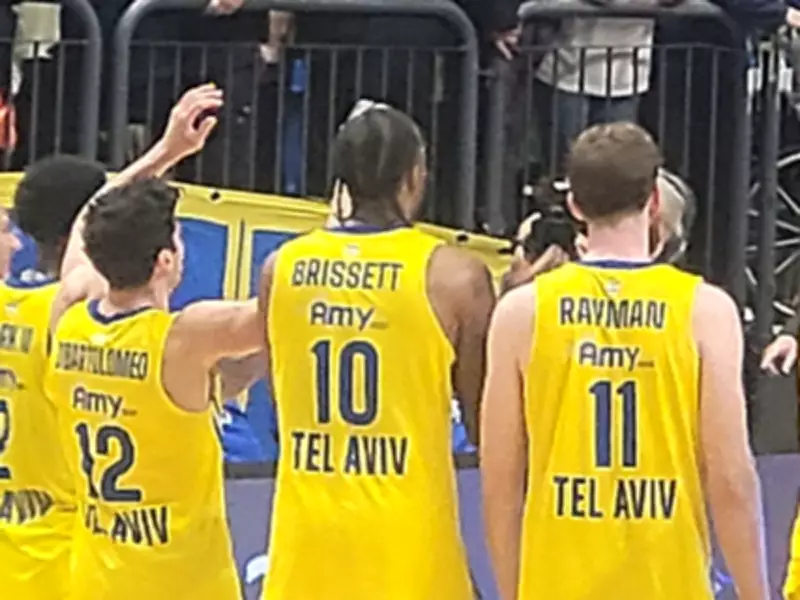
Among the international players contributing to Israeli basketball's global connections is Canadian forward Oshae Brissett, a former Toronto Raptor who has quickly emerged as one of Maccabi Tel Aviv's team leaders. His presence underscores how Israeli basketball maintains deep connections to the global game while remaining intensely local in its significance and emotional resonance.
The atmosphere during Maccabi's recent home game against Germany's Bayern Munich demonstrated this unique blend perfectly. While no ancient battlefields or history-altering dramas unfolded on the court, the basketball game itself played out at full emotional volume.
Nearly all 12,000 attendees dressed in yellow and blue, transforming the arena into a vibrant sea of color and unity. From the opening tip to the final whistle, enthusiastic chants never ceased. Fans stood for nearly the entire game, passionately urging their team forward with collective energy.
When "Hatikvah," Israel's national anthem, filled the arena before the game, the emotional weight of the moment became palpable. The gathering itself mattered profoundly—not just as a sporting event, but as a communal experience of resilience and restoration.
A Dramatic Victory and Shared Resilience
The electric atmosphere culminated in a dramatic overtime victory that seemed to vibrate through the entire building during the final seconds of regulation. As someone who attended the game, I found it impossible not to become caught up in the shared hope and anxiety that permeated the arena.

Attending a Maccabi Tel Aviv game in Israel offers more than just basketball entertainment. It provides a tangible feel for the people's remarkable resilience—their collective capacity to rally, to endure prolonged disruption, and to rediscover joy together through shared experiences.
The team's return represents a small but significant restoration of normalcy in a region that has faced considerable challenges. For players like Oshae Brissett and for thousands of dedicated fans, this homecoming marks more than just a geographical return—it signifies the reconnection of a community through the universal language of sport.