From Windsor Arena to Olympic Glory: Peter DeBoer's Remarkable Hockey Journey
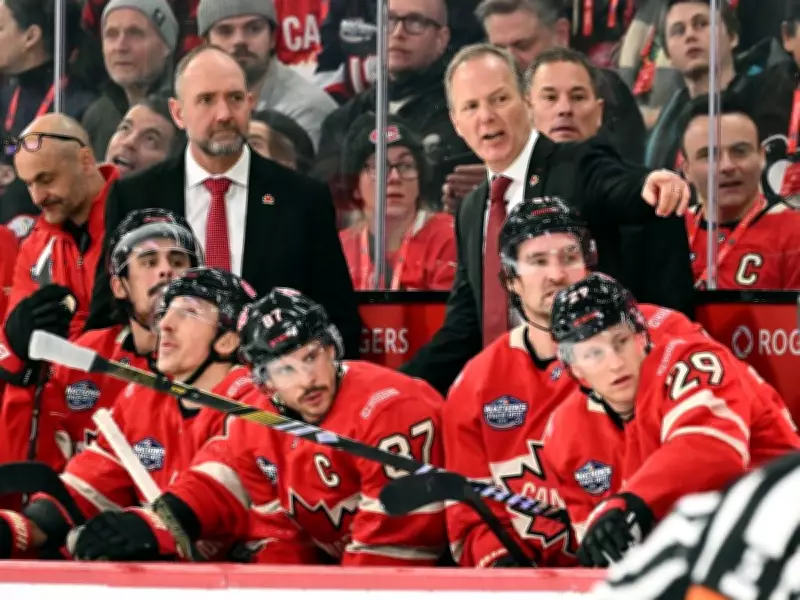
As the Canadian men's hockey team prepares for Olympic competition in Italy, assistant coach Peter DeBoer carries with him the enduring influence of his Windsor roots. The former Windsor Spitfires forward, now 57 years old, finds himself reflecting on how the city shaped both his playing career and his path to international coaching success.
Windsor's Lasting Impact on a Hockey Career
Windsor remains an integral part of Peter DeBoer's life and career trajectory. Currently serving on the coaching staff for Team Canada as they prepare to face Czechia in Olympic competition, DeBoer maintains strong connections to the city where he achieved his greatest success as a player. His parents, Fred and Sylvia, continue to reside in Riverside after relocating from Dunnville, providing a constant link to the community that launched his hockey journey.
"I get back to Windsor as much as I can in the offseason and even during the season," DeBoer revealed. "It's tradition to roll into Windsor and go golf with D.J. Smith and Bob Boughner. It's a great way to reconnect with friends and the city that means so much to me."

An Unlikely Path to Professional Hockey
DeBoer's journey to the Olympics began in the small farming community of Dunnville, south of Hamilton, where he played junior C hockey with the Terriers. His selection by the Windsor Spitfires as an unheralded 14th-round pick (200th overall) in the 1985 draft marked a turning point that would shape his entire career.
"I grew up in a farm town in Dunnville," DeBoer recalled with a laugh. "We never talked about the NCAA college path as an option. When I was drafted to Windsor, it was the biggest day of my life. I remember my dad dropping me off at Windsor Arena and saying, 'Call me if you get cut.'"
The young forward fought his way onto the roster under head coach Tom Webster and general manager Jim Rutherford, though his first two seasons saw limited playing time. A serious illness during his second year created additional uncertainty about his future with the team.
Perseverance Through Adversity
DeBoer's early struggles with the Spitfires tested his resilience and determination. During periods when he found himself frequently in and out of the lineup, and particularly during his hospitalization with a virus, he questioned whether his hockey career might be ending prematurely.
"I can tell you about the people you meet in the game," DeBoer reflected. "I remember JR (Rutherford). I was worried about my job and thought this was the end. I'm out a few months and won't have a job. I remember Jimmy calling me and saying, 'We'll have a spot for you.' That's the impact of great people running that organization. It was run like an NHL team. Paul Maurice and I can both thank those guys for where we are today."
Championship Success and Professional Transition
DeBoer's perseverance paid off when he helped lead the Spitfires to the franchise's first league title in 1988 and a spot in the Memorial Cup final. Following this championship success, he was drafted in the 12th round by the Toronto Maple Leafs. Returning for his overage season in 1988-89, DeBoer posted his best offensive numbers with 45 goals and 91 points.
His professional rights were eventually traded to the Vancouver Canucks for former Spitfire Paul Lawless, creating what DeBoer describes as "two ex-Spits, from different eras, traded for each other." Though he never signed with the Leafs, his Windsor experiences laid the foundation for his eventual transition to coaching.
From Player to Olympic Coach
Today, as DeBoer prepares for Olympic competition alongside head coach Jon Cooper, he carries forward the lessons learned during his Windsor years. The conversations that began during his playing days with the Spitfires ultimately led him to coaching, and now to the international stage where he represents Canada on hockey's biggest platform.

The magnitude of Olympic competition is not lost on the former Spitfires forward, who understands that his journey from Windsor Arena to international coaching success represents a full-circle moment in a career built on perseverance, mentorship, and the enduring influence of community connections.