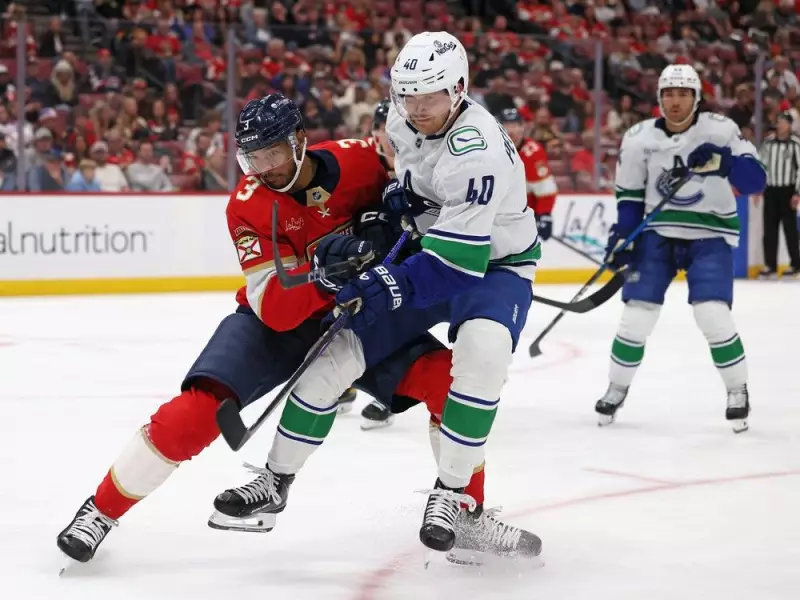
The Vancouver Canucks may have suffered a disappointing 8-5 loss to the Florida Panthers on Monday, but the performance of Elias Pettersson provided a significant silver lining for the team and its fans. The star center is in the midst of an impressive offensive resurgence, demonstrating the elite form that made him one of the league's most exciting young players.
Pettersson's Offensive Explosion
Elias Pettersson is currently riding a remarkable hot streak, amassing eight points in his last four games and an even more impressive 14 points in his last eight outings. This surge includes three goals and eleven assists, showcasing his dual-threat capability. His current pace projects to 23 goals and 79 points for the season—a substantial improvement over his 15-goal, 45-point campaign in the drama-filled 2024-25 season.
What makes this offensive outburst particularly noteworthy is Pettersson's commitment to a two-way game. He leads all NHL forwards with 45 blocked shots after adding three more against the Panthers, embodying his often-repeated philosophy: "Good defence leads to good offence." This defensive diligence has directly translated to offensive opportunities, with two of his recent goals coming off the rush thanks to his improved defensive positioning and quick transitions.

Defensive Concerns Amidst Offensive Firepower
Despite the offensive fireworks, Pettersson was quick to highlight the team's defensive shortcomings after the 8-5 defeat in Sunrise, Florida. Goaltender Jiri Patera faced 41 shots in relief of Kevin Lankinen, often left exposed by defensive breakdowns. "It was good to score five goals, but we've got to be better defensively," Pettersson stated. "When we go up 2-0 we should be able to get that to the house. I like where we're going with the offence, but we've got to tighten up the defence."
The loss exposed systemic issues that the Canucks must address, particularly their inability to protect leads against high-caliber opponents like the Panthers. Pettersson's individual excellence couldn't compensate for the collective defensive struggles that saw the team surrender eight goals.
Kampf's Arrival and Faceoff Impact
A potentially significant development for both Pettersson and the Canucks is the addition of veteran center David Kampf. The free-agent acquisition made an immediate impact in his debut, winning 11 of 15 faceoffs for a 73 percent success rate. His performance was particularly crucial in defensive situations, where he won 6 of 9 defensive-zone draws.
This specialized support could prove invaluable for Pettersson, who has shouldered the heaviest faceoff burden on the team with 463 attempts but has managed only a 48.1 percent success rate. On Monday, Pettersson struggled at the dot, winning just 9 of 28 faceoffs. Kampf's presence allows for more strategic matchup options and should reduce the defensive-zone pressure on Pettersson, potentially freeing up more offensive opportunities.
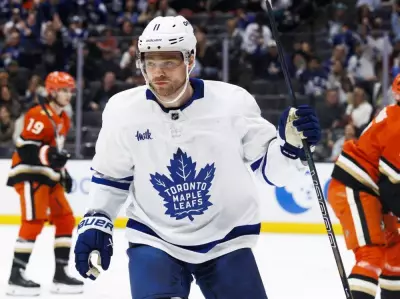
Canucks general manager Patrik Allvin expressed optimism about Kampf's long-term fit with the organization, noting that the 6-foot-2, 198-pound center turned down more lucrative offers to join Vancouver on a one-year, $1.1 million deal after having his contract terminated by the Toronto Maple Leafs. "David has been a very reliable player in the league and, for me, the integrity and character of a player who terminated his contract in order to stay in the league, he wants to prove he belongs," Allvin told Postmedia. "My hope is that this could potentially be a long-term fit for us."
Kampf brings a proven track record of faceoff proficiency, with seasons of 52.9, 51.5, and 50.9 percent success rates over the past three years. His penalty-killing expertise and defensive reliability should provide crucial support as the Canucks navigate injuries to centers Filip Chytil and Teddy Blueger, along with the offseason departure of Pius Suter to free agency.
As Pettersson continues his offensive resurgence, the combination of his elite skill and Kampf's defensive specialization could create a more balanced and dangerous Canucks lineup once the team addresses its collective defensive structure.