Regina's Rock League Ushers in New Era of Professional Curling with 'Unlimited Possibilities'
The sport of curling is undergoing a monumental transformation as it embraces professionalism, with the newly established Rock League leading the charge from its base in Regina, Saskatchewan. This groundbreaking initiative promises to reshape the landscape of the game, offering athletes unprecedented opportunities and elevating curling to new heights of visibility and competitiveness.
A Paradigm Shift in Curling Culture
For decades, curling has maintained its status as a beloved amateur sport with deep roots in Canadian communities. However, the Rock League represents a decisive break from tradition, introducing a fully professional model that provides curlers with sustainable career paths. The league's organizers emphasize that this move opens up "unlimited possibilities" for athletes who have previously balanced their sporting ambitions with other employment.
The transition to professionalism addresses long-standing challenges within the sport, including financial constraints that have limited athletes' ability to dedicate themselves fully to training and competition. By offering structured salaries, professional coaching, and enhanced training facilities, the Rock League aims to cultivate a new generation of elite curlers who can compete at the highest levels year-round.

Innovative Format and Expanded Reach
The Rock League is introducing several innovative elements designed to increase the sport's appeal to both participants and spectators. These include modified game formats that emphasize speed and strategy, expanded media coverage through streaming platforms, and partnerships with corporate sponsors. The league plans to host events across multiple Canadian cities while maintaining its administrative headquarters in Regina, positioning Saskatchewan as a central hub for professional curling development.
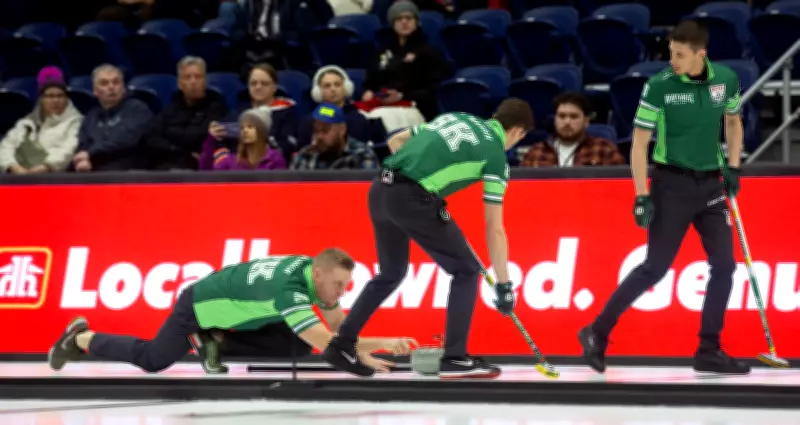
This professionalization comes at a time when curling has demonstrated significant growth in participation and viewership, particularly following high-profile events like the Montana's Brier Canadian men's curling championship. The success of teams such as Team Saskatchewan-McEwan, featuring athletes like Colton Flasch, Dan Marsh, and Kevin Marsh, has highlighted the sport's potential for broader commercial appeal.
Economic and Community Impact
The establishment of the Rock League is expected to generate substantial economic benefits for Regina and surrounding regions. Beyond creating direct employment for athletes, coaches, and support staff, the league will stimulate local businesses through event hosting, tourism, and merchandise sales. Community engagement initiatives are also planned, including youth development programs and partnerships with schools to introduce curling to new audiences.
Furthermore, the professional model provides a framework for addressing issues of athlete welfare and career longevity. Curlers will have access to comprehensive health insurance, retirement planning, and post-career transition support—benefits that have been largely unavailable in the amateur system.
Challenges and Future Prospects
Despite the enthusiasm surrounding the Rock League's launch, challenges remain. The league must navigate the complexities of establishing a sustainable business model in a sport traditionally reliant on volunteerism and community support. Additionally, maintaining the grassroots appeal of curling while introducing professional elements requires careful balancing to ensure the sport remains accessible to all participants.
Looking ahead, the Rock League's success could inspire similar professionalization efforts in other winter sports and establish new standards for athlete compensation and support. As curling enters this exciting new chapter, all eyes will be on Regina to see how this bold experiment unfolds and what it means for the future of one of Canada's most cherished pastimes.