Senators Captain Recalls Being 'Public Enemy Number One' in Ottawa After Olympic Gold Medal Win
Ottawa Senators captain Brady Tkachuk has opened up about the intense backlash he faced in his own city following the 2026 Winter Olympics, where he helped lead the United States to a dramatic gold medal victory over Canada in men's ice hockey. In a candid reflection, Tkachuk described feeling like 'Public Enemy Number One' in Ottawa during the games, highlighting the deep-seated rivalry between the two nations.
Gold Medal Game Sparks National Pride and Local Tension
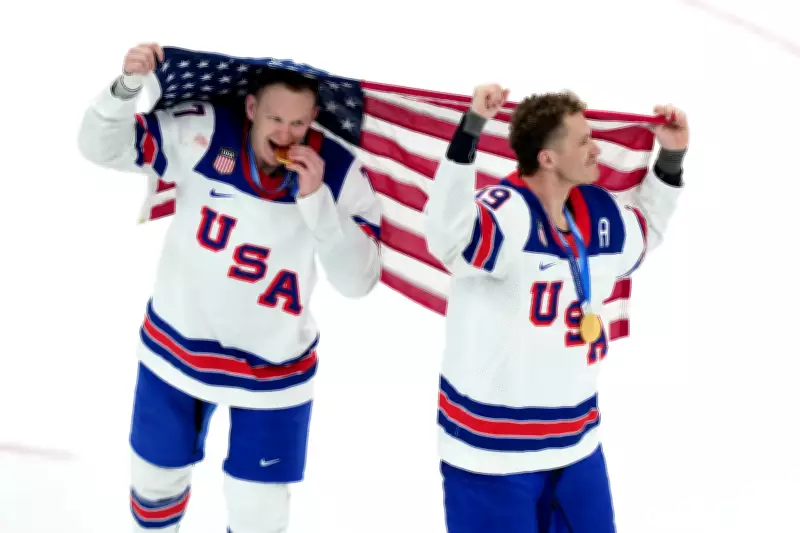
The pivotal moment came on February 22, 2026, in Milan, Italy, when Tkachuk, alongside his brother Matthew Tkachuk, celebrated the U.S. team's win over Canada. The victory, captured in an Associated Press photo by Carolyn Kaster, showcased the brothers' jubilation, but back home in Ottawa, it stirred mixed emotions among fans who typically cheer for Tkachuk as their NHL team leader.
Tkachuk explained, 'As a player, you live for those high-stakes moments, but returning to Ottawa after that game was surreal. The city that usually supports me turned into a place where I felt unwelcome, almost like a villain in my own backyard.' This sentiment underscores the unique pressure athletes face when competing internationally for their country of birth, especially in a sport as culturally significant as hockey in Canada.

Brotherly Bond and Team Dynamics in the Spotlight
The Tkachuk brothers, both key players for the U.S. team, grew up in Toronto, adding another layer to the narrative. Their upbringing in Canada, combined with their decision to represent the United States, fueled discussions about national identity and loyalty in sports. Brady Tkachuk's role as captain of the Senators made his Olympic performance particularly poignant, as it placed him at the center of a cross-border rivalry that resonates deeply with Canadian hockey enthusiasts.
He added, 'Matthew and I have always pushed each other to be better, and winning gold together was a dream come true. But it's tough when that achievement comes at the expense of the country where we spent our formative years.' The brothers' celebration after the game became a symbol of U.S. triumph, but also a reminder of the complex relationships athletes navigate in international competitions.
Impact on Community and Future Outlook
Despite the initial hostility, Tkachuk noted that the situation has gradually improved as fans have begun to separate his Olympic performance from his contributions to the Senators. 'Hockey is a passionate sport, and emotions run high,' he said. 'Over time, I've seen a shift—people are starting to appreciate the effort and dedication it takes to compete at that level, regardless of the jersey.'
This experience has shed light on the broader themes of sportsmanship and national pride, illustrating how major events like the Winter Olympics can amplify existing rivalries. As Tkachuk continues to lead the Senators, his story serves as a testament to the resilience required in professional sports, where personal achievements can sometimes clash with community expectations.