Geoff Russ: Silver Medal Celebration Represents Canada's Cult of Mediocrity
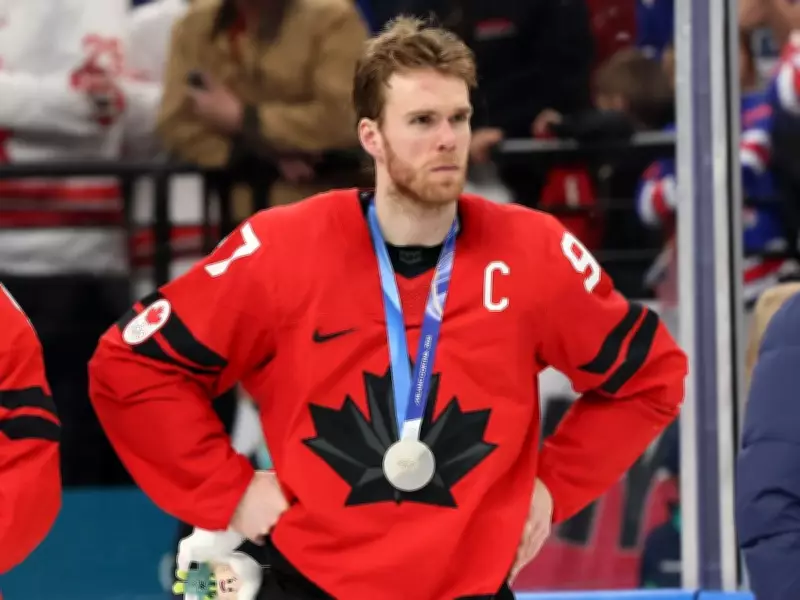
In the aftermath of Canada's overtime loss to the United States in the men's ice hockey gold medal game at the Milano-Cortina Olympics, a concerning cultural pattern has emerged among Canadians. Rather than treating the defeat as a painful setback that demands reflection and improvement, many have attempted to reframe the silver medal as some form of moral victory for the nation.
The Problem with Celebrating Second Place
Following the dramatic final where American goaltender Connor Hellebuyck stopped 41 Canadian shots, allowing Jack Hughes to score the overtime winner, a normal competitive nation would experience anger, bitterness, and self-reflection. Instead, some Canadians have embraced what commentator Geoff Russ describes as a "cult of mediocrity" that sentimentalizes resignation to defeat.
This tendency was exemplified when former CBC presenter Bruce Croxon approvingly posted on social media: "I'd rather be a Canadian with a silver than an American with a gold." Such statements attempt to transform second place into what Russ calls "a deranged sacrament" that undermines genuine athletic excellence.

Historical Context and Declining Expectations
As a winter nation that led the gold medal count at the 2010 Vancouver Olympics, Canada should maintain those high standards rather than accepting diminished expectations. The 2010 performance should have established a permanent benchmark for Canadian winter sports excellence, particularly in hockey where the country has historically dominated.
Russ argues that taking pride in being the runner-up is reserved for underdogs, not for a country with Canada's winter sports pedigree and resources. The celebration of silver medals represents a departure from the competitive spirit that once defined Canadian athletics on the world stage.
Athletes Versus Cultural Narrators
This cultural acceptance of second place stands in stark contrast to the attitudes of actual Canadian athletes. Macklin Celebrini, a breakout star of the Olympic tournament, made his feelings clear when he stated that falling short of gold "will always stick with him." No elite athlete genuinely prefers silver to gold, despite what cultural commentators might suggest.
Russ identifies a troubling disconnect between athletes who strive for excellence and "those who fancy themselves as the stewards of our official narratives" who sentimentalize defeat. This losing mentality, he warns, extends beyond sports to infect politics, economic policy, and even personal decision-making among the middle class.
The Gretzky Example and True Excellence
Wayne Gretzky represents the antithesis of this acceptance of mediocrity. The greatest hockey player in history, Gretzky has maintained his commitment to Canadian excellence despite political pressures. When some Canadians booed him for refusing to condemn U.S. President Donald Trump with the same vitriol as commentators like Globe and Mail columnist Doug Saunders, Saunders sneered that it was "a small win" on social media.
Gretzky exemplifies the true excellence that frightens those who pathologize mediocrity. His clear statement that "I'm a hockey player, I'm a Canadian, I'm a true Canadian. I want Canada to win a gold medal, and I've never wavered from that" stands as a rebuke to the cultural tendency to celebrate second place.
The celebration of silver medals represents more than just sports commentary—it reflects a broader Canadian cultural shift toward accepting mediocrity in multiple aspects of national life. As Russ concludes, until Canadians reject this cult of second-best, the country will continue to fall short of its true potential on the world stage.