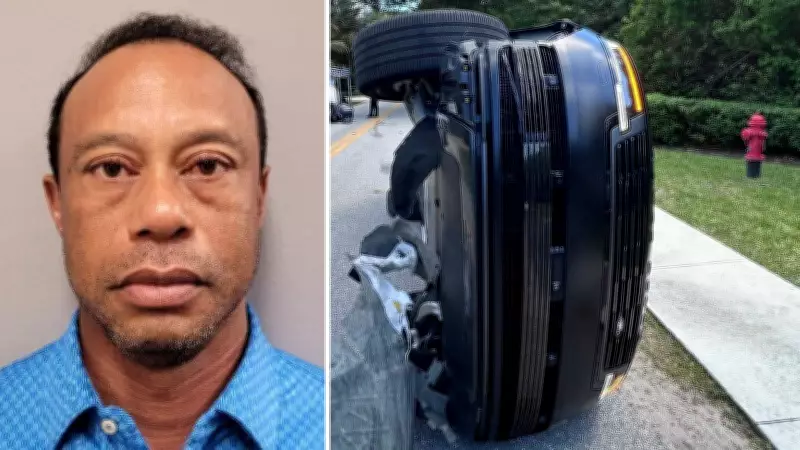
Tiger Woods Enters Not Guilty Plea in DUI Case Involving Opioids
Golf icon Tiger Woods has formally pleaded not guilty to charges of driving under the influence (DUI) stemming from a car crash in late March 2026. The incident, which occurred in Stuart, Florida, has drawn significant attention after authorities disclosed that opioids were found in his possession at the scene.
Details of the Incident and Legal Proceedings
According to reports from the Martin County Sheriff's Office, Woods was involved in a single-vehicle crash on March 27, 2026. Law enforcement officials responded to the scene and subsequently arrested the professional golfer. During the investigation, opioids were reportedly discovered, leading to the DUI charges. Woods entered his not guilty plea on March 31, 2026, as confirmed by court documents.
The case has sparked widespread media coverage, given Woods' high-profile status in the sports world. His legal team is expected to challenge the evidence, focusing on the circumstances surrounding the opioid possession and the accuracy of the DUI allegations. No trial date has been set yet, but the proceedings are anticipated to unfold over the coming months.

Background and Potential Implications
Tiger Woods, a 15-time major championship winner, has faced previous legal and personal challenges, including a 2017 DUI arrest where he was found asleep at the wheel with multiple drugs in his system. This latest incident raises concerns about his health and career trajectory, as he continues to recover from past injuries and maintain his presence in professional golf.
If convicted, Woods could face penalties such as fines, license suspension, or even jail time, depending on Florida state laws and prior offenses. The outcome may also impact his endorsements and public image, which have been carefully rebuilt in recent years.
Authorities have emphasized that the investigation is ongoing, and further details may emerge as the case progresses. Woods has not made a public statement beyond the legal filings, but his representatives have indicated a commitment to addressing the matter through the judicial system.