Ottawa Senators Captain Brady Tkachuk Addresses Trump's Controversial Locker Room Call
Ottawa Senators captain Brady Tkachuk, fresh from his gold medal victory with the United States men's hockey team at the Milan Cortina 2026 Winter Olympics, has publicly addressed the controversial locker room call from former President Donald Trump that followed the team's triumph. The incident, which occurred as the team celebrated their Olympic win, has sparked significant discussion in both sports and political circles.
The Olympic Victory and Unexpected Presidential Contact
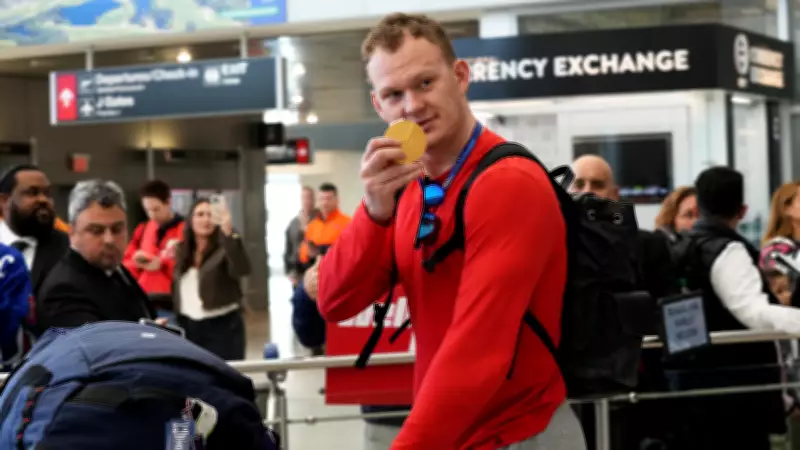
Brady Tkachuk returned to North America on Monday, February 23, 2026, arriving at Miami International Airport where he proudly displayed his Olympic gold medal to waiting media. The United States team had secured victory in a hard-fought tournament, marking a significant achievement for Tkachuk and his teammates. However, the celebration took an unexpected turn when former President Donald Trump placed a call to the team's locker room shortly after their win.
The content and nature of Trump's call have generated controversy, with some team members reportedly finding the interaction inappropriate or politically charged during what should have been a purely celebratory moment. Tkachuk, as captain of both the Olympic team and the Ottawa Senators, has now become a central figure in addressing the fallout from this incident.

Tkachuk's Response and Team Dynamics
In his comments, Tkachuk acknowledged the call occurred but emphasized that the team's focus remained on their Olympic achievement. "We worked incredibly hard for this moment," Tkachuk stated, referring to the gold medal victory. "While we appreciate support from various quarters, our primary concern was celebrating what we accomplished together as a team."
The Ottawa captain's measured response contrasts with more vocal reactions from other team members. Team USA women's hockey captain had previously characterized a similar White House invitation from Trump as "a distasteful joke," highlighting the political divisions that can emerge when sports intersect with politics.
Tkachuk's position as a professional athlete in Canada adds another layer to this situation, given the Ottawa Senators' fan base and the different political climate in which he primarily operates during the NHL season. His response appears carefully calibrated to acknowledge the incident without allowing it to overshadow the team's athletic achievement.
Broader Context of Sports and Politics
This incident occurs against a backdrop of increasing political involvement in sports, particularly around Olympic events. The Milan Cortina Olympics have seen several instances where political figures have sought to associate themselves with athletic success, sometimes creating uncomfortable situations for athletes who prefer to keep their focus on competition.
The controversy also highlights the challenges faced by athletes navigating the intersection of sports and politics, particularly when unexpected political attention arrives during moments of personal and team triumph. For Tkachuk, who will soon return to his duties with the Ottawa Senators, the incident represents an unwelcome distraction from what should have been an uncomplicated celebration of Olympic success.
As the story continues to develop, Tkachuk's handling of the situation will be closely watched by both hockey fans and political observers. His ability to address the controversy while maintaining focus on athletic achievement may set a precedent for how professional athletes navigate similar situations in an increasingly politicized sports landscape.