Ottawa Senators Goaltender Linus Ullmark Speaks Candidly About Mental Health Struggles
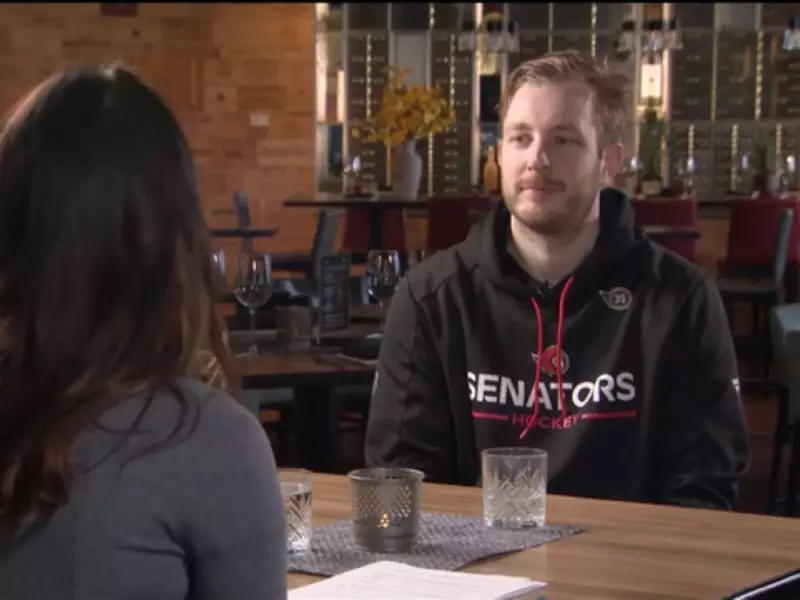
In a deeply personal and revealing interview with TSN's Claire Hanna, Ottawa Senators star goaltender Linus Ullmark has opened up about the mental health crisis that led to his recent leave of absence from the team. The exclusive conversation, released on Tuesday afternoon, sheds light on the panic attacks and emotional turmoil that prompted his decision to step away from professional hockey temporarily.
Panic Attacks During Games and Loss of Identity
Ullmark disclosed that he experienced severe panic attacks before and during the Senators' game against the Toronto Maple Leafs on December 27th. The emotional toll became so overwhelming that he found himself questioning his entire career and purpose. "I didn't even know why I'm playing hockey," Ullmark confessed during the interview conducted after an optional skate at the Canadian Tire Centre on Saturday.
The goaltender described feeling completely lost, stating "I felt like I lost myself. I didn't know who I was at the time, and know why I'm even playing hockey." He elaborated on how his passion for the sport had diminished, explaining that all the elements that typically make hockey enjoyable had become meaningless to him during his crisis.

Addressing Online Rumors and Team Communication
Ullmark expressed frustration about the online rumors that circulated following his absence from the team. The Senators organization had issued a statement on January 8th denying false claims about Ullmark's departure, which received over 5.2 million views on social media platform X. The goaltender emphasized that he had been completely transparent with the team about his mental health struggles from the beginning.
"I was very upfront with the team, telling them there's a mental health issue because it was and I didn't have the tools to deal with it," Ullmark revealed. He noted how quickly speculation began, with unfounded claims emerging within 24 hours of his absence becoming public knowledge.
The Journey Toward Recovery and Personal Growth
While Ullmark acknowledged that he's "doing a lot better," he emphasized that his recovery remains an ongoing process. "It's been, and it's still a journey," he told TSN. The goaltender reflected on the personal growth he's experienced during his time away, noting that the lessons learned have been invaluable not just for his hockey career but for his roles as a husband and father.
Ullmark described how negative thoughts and self-doubt intensified during his isolation from the team, explaining that "all those little demons that cause these negative thoughts are becoming stronger and bigger and louder, and they affect you." He questioned whether he had accomplished anything meaningful in his decade-long career and whether he had wasted precious years that could have been spent with his family.
No Clear Timeline for Return to Play
Although Ullmark is traveling with the Senators during their current three-game road trip, he has made it clear that there is no definite timetable for his return to game action. He characterized his current involvement as "a step along the way" but stressed that "I'm not ready yet." The team's roster moves suggest they are preparing for various scenarios, having sent Leevi Merilainen to their AHL affiliate in Belleville while recalling Hunter Shepard to serve as backup to James Reimer.
The 27-minute interview covered multiple aspects of Ullmark's experience, providing rare insight into the mental health challenges faced by professional athletes. Ullmark, who is married to Moa and has two children, spoke with remarkable candor about a topic that has historically carried stigma in professional sports circles.
Ullmark's decision to speak publicly about his mental health struggles represents a significant moment for athlete wellness advocacy in professional hockey. His openness about panic attacks, self-doubt, and the pressure of public scrutiny may help normalize conversations about mental health in sports and encourage others facing similar challenges to seek support.