U.S. Women's Hockey Team Deserves Respect, Not Mockery from Male Counterparts
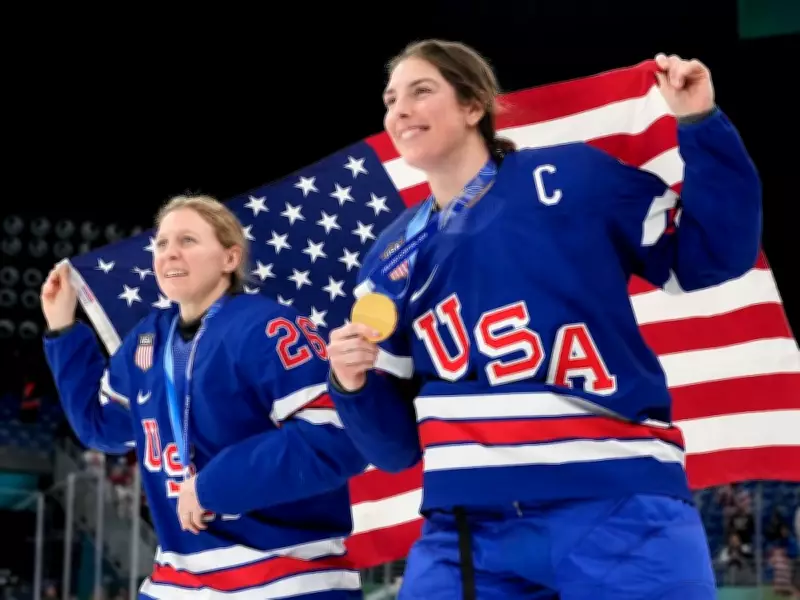
In the aftermath of the 2026 Winter Olympics in Milan, Italy, a controversy has erupted that transcends typical sports rivalries and touches on fundamental issues of respect and gender equality in athletics. The United States women's hockey team, fresh from their victory celebration, finds themselves at the center of a debate sparked by the behavior of their male counterparts.
The Incident That Sparked Outrage
Following the U.S. men's overtime victory against Canada last week, President Donald Trump made his customary congratulatory phone call to the team. During that call, the president extended an invitation to the White House with a problematic caveat: "We're going to have to bring the women's team, you do know that... I probably would be impeached (if the women's team was not invited), okay?"
The men's team responded with hearty laughter to what many have characterized as a sexist joke that reduced the women's Olympic achievement to a cheap punchline. While the president later announced during his State of the Union address that the women's team would indeed visit the White House, the damage had already been done.

A Failure of Sportsmanship
There's no sophisticated way to frame it: the U.S. men's team behaved poorly. It's one thing to laugh at an inappropriate joke in a moment of euphoric celebration following an Olympic victory. It's quite another to watch the recording afterward and not feel mortified by one's participation in the mockery of fellow Olympians.
What makes this situation particularly troubling is the men's apparent lack of remorse. Despite having time to reflect on their actions, no public apology has been issued to the women's team or to female hockey fans who deserve better representation of sportsmanship from their athletic heroes.
The Broader Implications
This incident extends beyond the specific players involved—including notable NHL stars Auston Matthews of the Toronto Maple Leafs and Brady Tkachuk of the Ottawa Senators. The laughter at the women's expense sends a damaging message to millions of young athletes who look up to these Olympians as role models.
Respect for fellow athletes should not be a partisan issue or require adherence to any particular political ideology. Basic sportsmanship demands that athletes honor the achievements of their peers, regardless of gender. When Olympic champions participate in the belittling of other champions, they undermine the very spirit of international competition.
The Culture of Excuses
Apologists have offered numerous defenses for the men's behavior: they were caught up in the moment, they were celebrating their victory, or they were simply responding to presidential humor. Some, like Barstool Sports founder Dave Portnoy, have dismissed critics entirely with crude commentary that reflects a troubling aspect of hockey culture.
Yet none of these excuses negates the fundamental disrespect shown toward the women's team. The U.S. women's hockey program has achieved remarkable success on the international stage, and their accomplishments deserve recognition equal to that afforded their male counterparts.
A Call for Accountability
This incident doesn't necessarily mean the players involved are irredeemable chauvinists who harbor contempt for women. Like all people, athletes can make poor decisions in moments of poor judgment. What matters now is how they respond to that poor judgment.
A public apology would serve multiple important purposes: it would acknowledge the women's team's rightful place as Olympic champions, it would demonstrate accountability to young fans learning about sportsmanship, and it would help repair the damage done to the reputation of U.S. hockey.
The suggestion that criticizing the team's behavior constitutes "treason or hysteria," as some have characterized it, misses the point entirely. This isn't about political correctness—it's about basic human decency and respect for athletic achievement.

As the conversation continues, one thing remains clear: the U.S. women's hockey team deserves better than to be the punchline of a joke, especially one delivered at their expense by their fellow Olympians. Their gold medal victory in Milan represents the culmination of years of dedication and excellence—achievements that warrant celebration, not mockery.